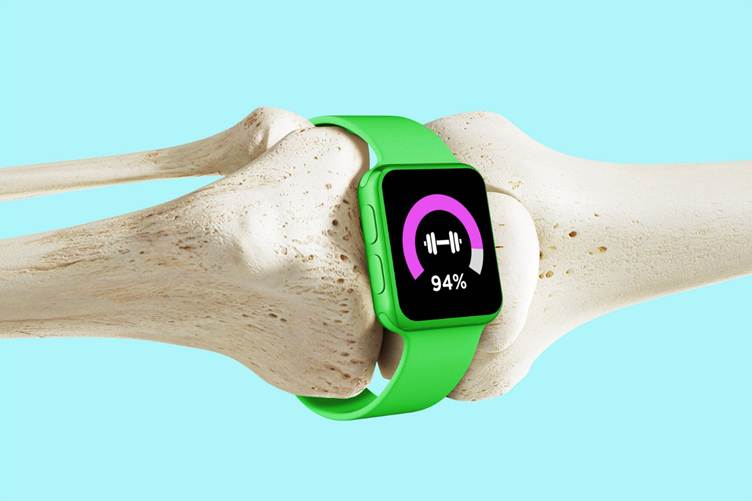
Stay Strong, Stay Mobile, Stay Independent
Aging brings many changes, and one of the most important to watch out for is bone health. After 60, bones naturally lose density, increasing the risk of fractures and osteoporosis. But with the right steps, you can protect your bones and maintain an active, independent lifestyle.
Why Bone Health Declines with Age
As we age:
- The body absorbs calcium less efficiently.
- Hormonal changes, especially in postmenopausal women, speed up bone loss.
- Physical inactivity weakens bones and muscles.
- Nutritional deficiencies, like low Vitamin D and calcium, further accelerate bone weakening.
Risks of Poor Bone Health After 60
- Osteoporosis: Brittle bones that break easily
- Hip and spine fractures: Can severely reduce mobility and independence
- Slow healing after falls or injuries
- Increased risk of hospitalization and long-term care
Tips to Strengthen Bones After 60
Eat Bone-Healthy Foods
- Calcium-rich options: milk, yogurt, leafy greens, fortified cereals
- Vitamin D sources: sunlight, eggs, mushrooms, fortified dairy
Stay Active
- Do weight-bearing exercises like walking, dancing, or stair climbing
- Add strength training to maintain muscle mass and support joints
Consider Supplements
- If diet isn’t enough, your doctor may suggest calcium and vitamin D supplements
Avoid Bone Harming Habits
- Quit smoking and limit alcohol—both reduce bone density
- Prevent falls at home by using non-slip mats, proper lighting, and support rails
When to Get a Bone Density Test
- Women over 65 and men over 70 should get a DEXA scan
- Earlier screening if you have risk factors like family history, low body weight, or past fractures
Conclusion
Bone health doesn’t have to decline with age. By making smart lifestyle choices, staying active, and consulting your doctor regularly, you can enjoy strong bones and better mobility well into your golden years.
Disclaimer: This blog is for general awareness. Please consult a healthcare provider for personalized medical advice, screening, or treatment.