
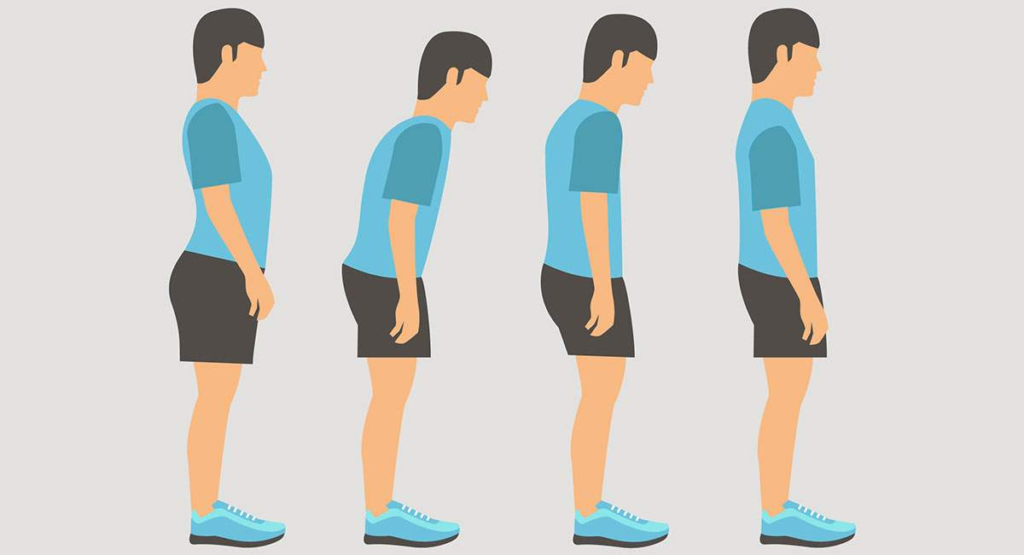
Posture plays a vital role in maintaining the health of bones, muscles, and joints. Poor posture, especially when maintained over long periods, can place unnecessary stress on the musculoskeletal system and lead to discomfort and long-term orthopedic problems.
Understanding how posture affects the body can help prevent pain and support better movement and balance.
1. Increased Strain on the Spine
Slouching or improper sitting posture places excess pressure on the spine, leading to back and neck discomfort.
Prevention: Maintain a neutral spine position while sitting and standing, and take regular posture breaks.
2. Muscle Imbalance and Fatigue
Poor posture causes certain muscles to overwork while others weaken, resulting in fatigue and stiffness.
Prevention: Strengthen core and back muscles and practice posture-correcting exercises.
3. Reduced Joint Alignment
Improper posture can alter joint alignment, increasing wear and tear on joints over time.
Prevention: Be mindful of body positioning during daily activities and avoid prolonged awkward postures.
4. Neck and Shoulder Discomfort
Forward head posture and rounded shoulders often lead to tension and pain in the neck and shoulders.
Prevention: Adjust screen height, relax shoulder positioning, and stretch regularly.
5. Impact on Overall Mobility
Long-term poor posture can limit movement and affect balance and coordination.
Prevention: Incorporate regular movement, stretching, and posture awareness into daily routines.
Maintaining good posture supports musculoskeletal health and reduces the risk of chronic orthopedic problems. Small posture adjustments can make a significant difference in comfort and long-term mobility.
Disclaimer:
This blog is intended for general educational purposes only. It does not replace medical advice, diagnosis, or treatment. Always consult a qualified healthcare professional for personalized guidance.