
Orthopedics is often associated with treating injuries and managing pain, but its role goes beyond treatment. Early orthopedic care focuses on prevention, timely management, and maintaining mobility, helping reduce the risk of long-term disability.
Understanding how orthopedic awareness contributes to prevention can help individuals protect their musculoskeletal health and quality of life.
1. Early Identification of Musculoskeletal Issues
Many orthopedic conditions start with mild symptoms that worsen over time if ignored.
Prevention: Early evaluation and attention to symptoms can prevent progression and long-term complications.
2. Preventing Loss of Mobility
Untreated bone and joint conditions can restrict movement and affect daily functioning.
Prevention: Timely care and proper management help preserve joint function and mobility.
3. Reducing Risk of Chronic Pain
Chronic orthopedic conditions often develop from unresolved acute problems.
Prevention: Addressing pain early can reduce the likelihood of long-term discomfort.
4. Supporting Recovery After Injury
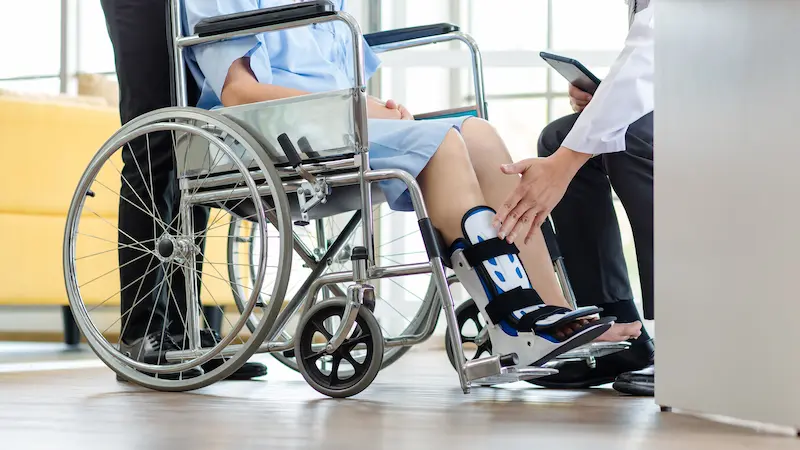
Proper orthopedic guidance plays an important role in safe and effective recovery.
Prevention: Follow structured recovery plans and avoid returning to activity too soon.
5. Improving Quality of Life
Maintaining musculoskeletal health allows individuals to stay active and independent.
Prevention: Consistent preventive care and healthy habits support long-term well-being.
Orthopedic awareness and early intervention can significantly reduce the risk of disability. Taking preventive steps helps maintain strength, mobility, and independence throughout life.
Disclaimer:
This blog is intended for general educational purposes only. It does not replace medical advice, diagnosis, or treatment. Always consult a qualified healthcare professional for personalized guidance.