
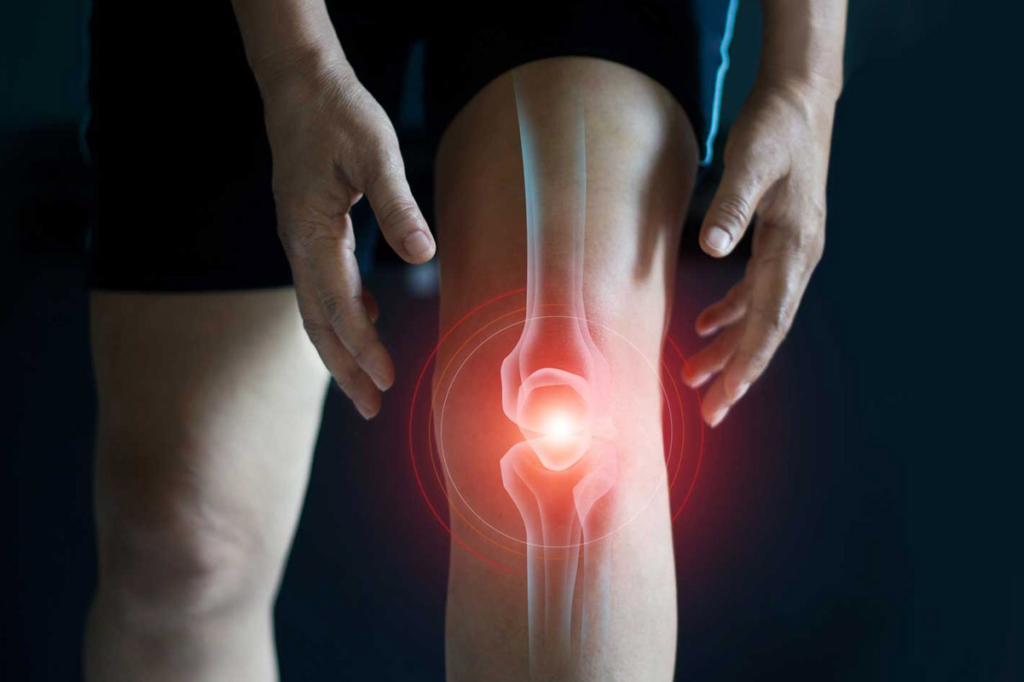
Joint stiffness is a common orthopedic concern that can make movement uncomfortable and limit daily activities. It may occur occasionally or persist over time, depending on underlying factors and lifestyle habits.
Understanding the causes of joint stiffness and learning how to manage it can help maintain flexibility and improve overall joint health.
1. Lack of Physical Activity
Inactivity can cause joints to become stiff due to reduced circulation and flexibility.
Prevention: Engage in regular movement and gentle exercises to keep joints flexible.
2. Inflammation in the Joints
Inflammation can lead to swelling and stiffness, making movement difficult.
Prevention: Follow a balanced lifestyle and address factors that contribute to joint inflammation.
3. Aging and Joint Wear
Over time, cartilage may wear down, leading to stiffness and reduced joint mobility.
Prevention: Maintain joint strength through regular activity and proper care.
4. Poor Posture and Body Mechanics
Improper posture can strain joints and contribute to stiffness over time.
Prevention: Practice correct posture and avoid prolonged awkward positions.
5. Dehydration and Nutritional Factors
Lack of hydration and essential nutrients can affect joint lubrication and flexibility.
Prevention: Stay hydrated and maintain a nutrient-rich diet to support joint health.
Joint stiffness can often be managed with simple lifestyle adjustments and awareness. Addressing symptoms early helps maintain comfort, mobility, and long-term joint function.
Disclaimer:
This blog is intended for general educational purposes only. It does not replace medical advice, diagnosis, or treatment. Always consult a qualified healthcare professional for personalized guidance.