
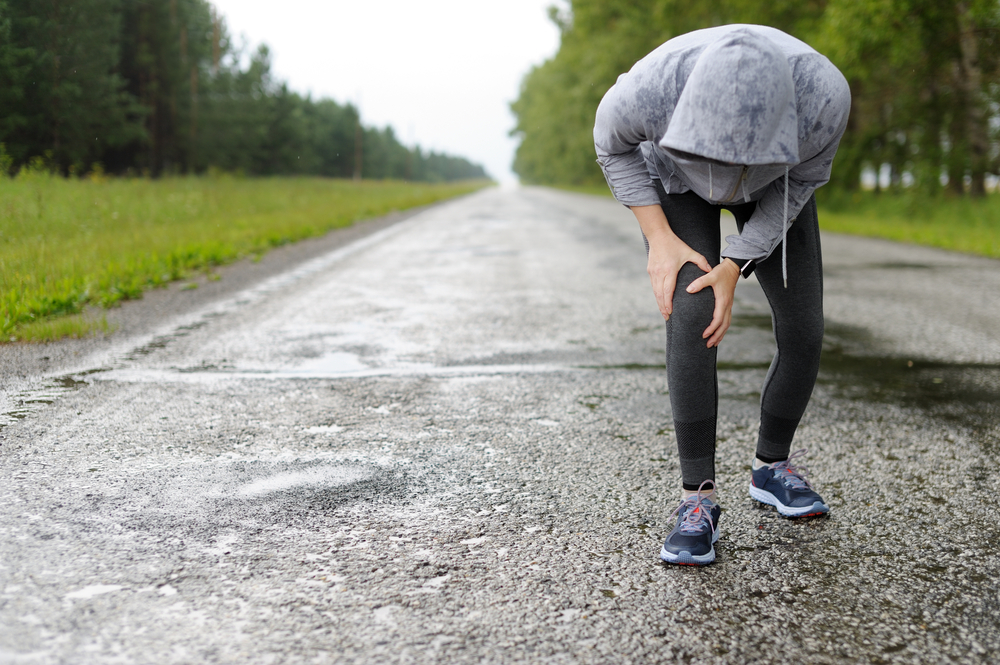
Many people notice that joint pain seems worse during cold, rainy, or humid days. Changes in temperature and barometric pressure can affect tissues around the joints, leading to stiffness, swelling, or discomfort. Even minor weather fluctuations can trigger flare-ups in conditions like arthritis or previous joint injuries.
Cold Weather and Joint Stiffness
Low temperatures can tighten muscles, ligaments, and tendons surrounding the joints. This often leads to stiffness, slower movement, and increased discomfort, especially in sensitive areas like knees, hips, and fingers. Dressing warmly, using heat packs, and doing gentle stretches can help keep joints flexible.
Humidity and Barometric Pressure Effects
Drops in barometric pressure can make tissues expand slightly, which may increase joint pain. High humidity can worsen swelling in arthritic joints. Monitoring weather patterns and adjusting daily activities—like indoor exercise on rainy days—can reduce discomfort.
Flare-Ups in Chronic Conditions
People with osteoarthritis or rheumatoid arthritis often report more pain during weather changes. Keeping track of flare-up patterns, staying active, and following prescribed treatments can help manage symptoms effectively.
Preventing Weather-Related Pain
Simple lifestyle adjustments, such as wearing supportive footwear, maintaining regular indoor exercise, and using braces or heat therapy, can help reduce the impact of weather on joints. Planning activities around weather changes and avoiding sudden outdoor exposure during extreme cold or wet conditions can also protect joints.
Conclusion
While it’s impossible to control the weather, understanding how it affects your joints and taking preventive measures can make a big difference in daily comfort. Small changes in routine, consistent exercise, and joint protection strategies can help maintain mobility and reduce pain year-round.
Disclaimer:
This blog is for general educational purposes only. It is not a substitute for professional medical advice. Always consult a qualified healthcare professional for diagnosis or treatment of joint pain.