
Overuse injuries occur when joints and surrounding tissues are subjected to repetitive stress without adequate rest. Unlike sudden injuries from accidents, overuse injuries develop gradually and can affect anyone-from athletes to office workers. Understanding how these injuries impact joints can help prevent long-term damage.
What Are Overuse Injuries?
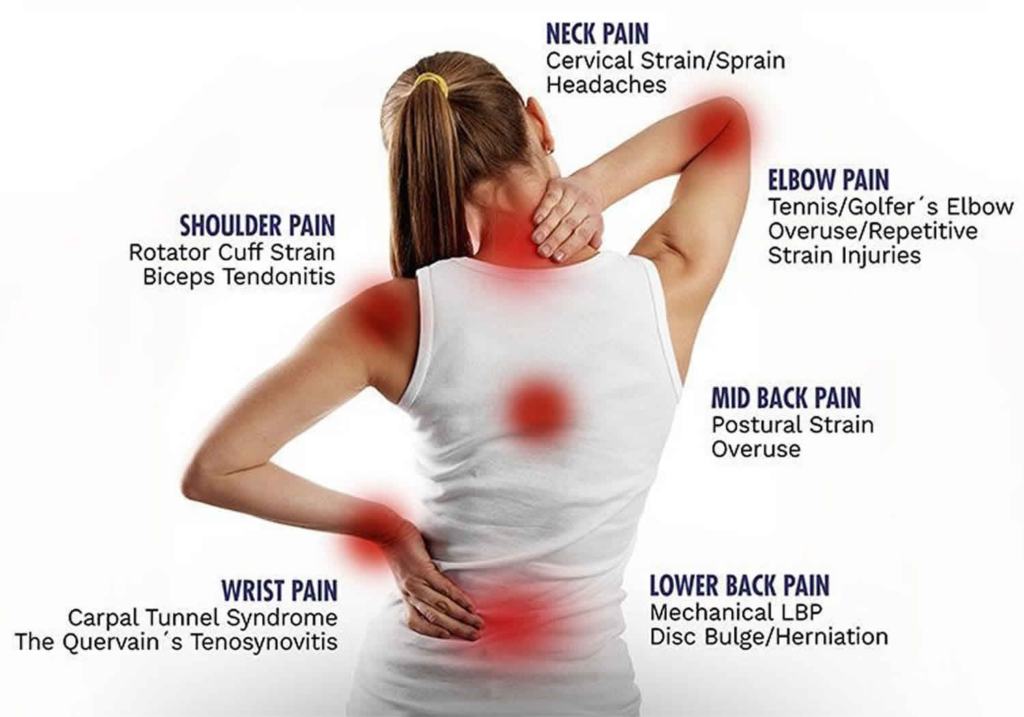
Overuse injuries involve the gradual breakdown of muscles, tendons, ligaments, or cartilage due to repeated motion. Common examples include tendonitis, stress fractures, and bursitis. Joints like the knees, shoulders, elbows, and wrists are particularly vulnerable.
Why Overuse Causes Pain
When joints are overworked, tiny tears can form in muscles or tendons. These micro-injuries trigger inflammation, swelling, and discomfort. Without proper rest, the tissues do not heal fully, and pain can become chronic. Over time, overuse may also contribute to degenerative changes in the joint cartilage, increasing the risk of osteoarthritis.
Common Activities That Lead to Overuse Injuries
- Repetitive sports movements like pitching, running, or swimming
- Prolonged typing or mouse use in office work
- Frequent lifting or heavy manual labor
- Daily activities with poor posture or improper technique
Preventing Overuse Injuries
- Rest and recovery: Allow time for muscles and joints to heal between intense activities.
- Strength training: Support joints with strong muscles to reduce stress on tendons and ligaments.
- Proper technique: Use correct form during sports, exercises, and daily activities.
- Gradual progression: Increase intensity or duration of activity slowly to avoid sudden overload.
- Listen to your body: Pain is a signal to rest or modify activity before serious injury occurs.
Conclusion
Overuse injuries may start as minor discomfort but can lead to long-term joint problems if ignored. Preventive measures such as proper technique, rest, and strength training are essential to protect joints and maintain mobility. Recognizing early warning signs ensures that joints stay healthy for years to come.
Disclaimer:
This blog is for general educational purposes only and does not replace professional medical advice. Consult a healthcare professional for proper evaluation and treatment if joint pain persists.