
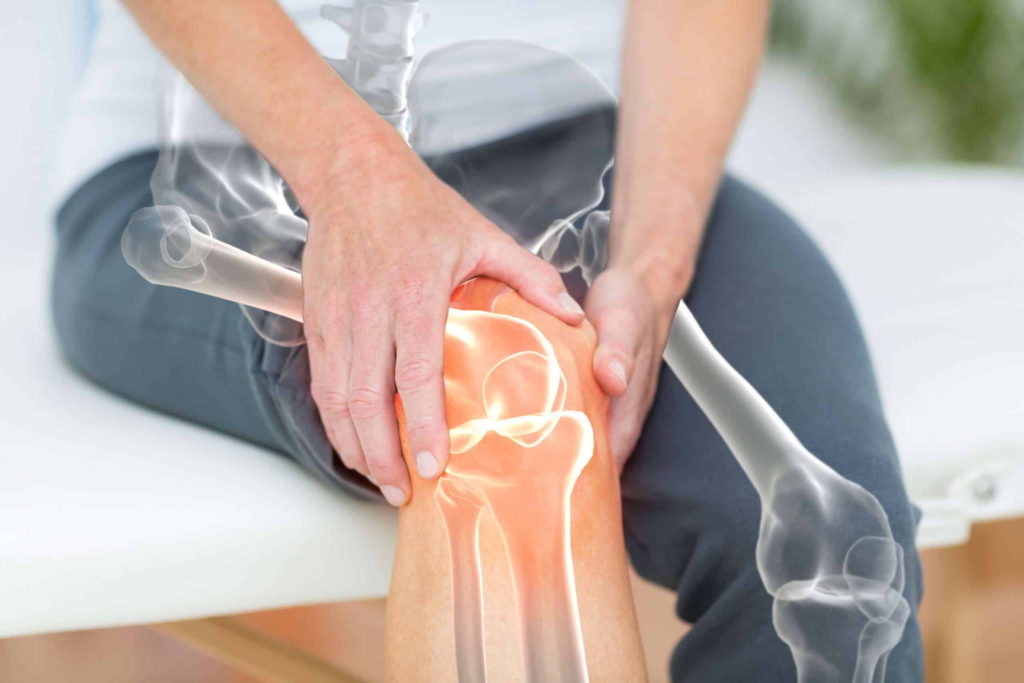
Knee pain is often associated with arthritis, but many people experience discomfort without any joint degeneration. Everyday activities, injuries, and lifestyle factors can all contribute to knee pain, even in younger adults or those without diagnosed conditions. Understanding the common causes can help protect the knees and maintain mobility.
Overuse and Repetitive Strain
Activities like running, cycling, climbing stairs, or prolonged standing can strain the knee joint and surrounding muscles. Over time, this repeated stress can lead to inflammation, tendinitis, or pain in the ligaments and tendons.
Muscle Imbalance or Weakness
Weak quadriceps, hamstrings, or glute muscles can affect knee alignment and stability. When muscles fail to support the knee properly, extra pressure is placed on the joint, leading to discomfort during movement.
Injuries and Previous Trauma
Even minor injuries, like a sprain or ligament strain, can cause lingering knee pain. Scar tissue or small structural changes from past injuries may create sensitivity or intermittent discomfort without obvious arthritis.
Poor Footwear and Biomechanics
Wearing shoes without proper support, walking or running on uneven surfaces, or having flat feet or high arches can all affect knee alignment. Misalignment increases joint stress and contributes to pain.
Lifestyle Factors
Excess body weight adds pressure to the knees, even in the absence of arthritis. Sedentary habits can also weaken supporting muscles, further increasing the risk of pain.
Tips for Protecting Your Knees
- Strengthen muscles around the knee, including quadriceps, hamstrings, and calves.
- Use supportive footwear, especially during exercise.
- Maintain a healthy weight to reduce pressure on knee joints.
- Avoid overuse by balancing activity with rest and recovery.
- Incorporate low-impact exercises like swimming or cycling to protect the knees.
Conclusion
Knee pain is not always a sign of arthritis. Muscle weakness, repetitive strain, prior injuries, and lifestyle factors can all contribute. By strengthening muscles, wearing supportive footwear, and practicing mindful movement, you can reduce discomfort and preserve knee health for the long term.
Disclaimer:
This blog is intended for general educational purposes only. It does not replace professional medical advice. Consult a healthcare professional for evaluation and treatment of knee pain.