
Bone density refers to the strength and thickness of bones, which directly impacts their ability to support the body and resist fractures. Maintaining healthy bone density is crucial for mobility, overall strength, and long-term skeletal health.
What Is Bone Density?
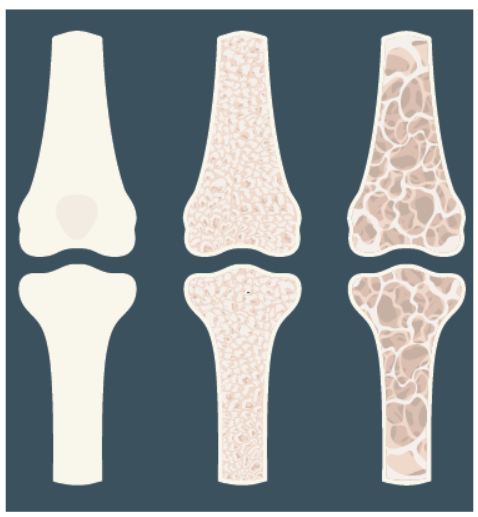
Bone density measures the amount of mineral content in bones, primarily calcium and phosphorus. Higher bone density indicates stronger, more resilient bones, while lower density means bones are weaker and more prone to fractures. Peak bone density is typically reached in the late 20s, making early care essential.
Factors Affecting Bone Density
- Nutrition: Adequate calcium, vitamin D, and protein are vital for strong bones.
- Exercise: Weight-bearing activities like walking, jogging, and resistance training help maintain bone strength.
- Hormones: Estrogen in women and testosterone in men support bone density. Hormonal imbalances can lead to weaker bones.
- Lifestyle Habits: Smoking, excessive alcohol consumption, and sedentary behavior can reduce bone density over time.
- Medical Conditions & Medications: Certain chronic illnesses and long-term medications, such as corticosteroids, can negatively affect bone strength.
Signs of Low Bone Density
Often called “silent,” low bone density may not present noticeable symptoms until a fracture occurs. However, risk factors like family history, frequent fractures, or chronic conditions should prompt bone health assessment.
Tips to Maintain Healthy Bones
- Consume a balanced diet with sufficient calcium and vitamin D.
- Engage in regular weight-bearing and resistance exercises.
- Avoid smoking and limit alcohol intake.
- Monitor hormonal health and discuss concerns with a healthcare provider.
- Consider bone density screenings, especially for individuals at risk.
Conclusion
Healthy bone density is essential for mobility, independence, and preventing fractures. By focusing on nutrition, exercise, and lifestyle choices, individuals can protect their bones throughout life and maintain long-term skeletal health.
Disclaimer:
This blog is for general educational purposes only. It does not replace professional medical advice. Consult a healthcare professional for personalized guidance regarding bone health.