
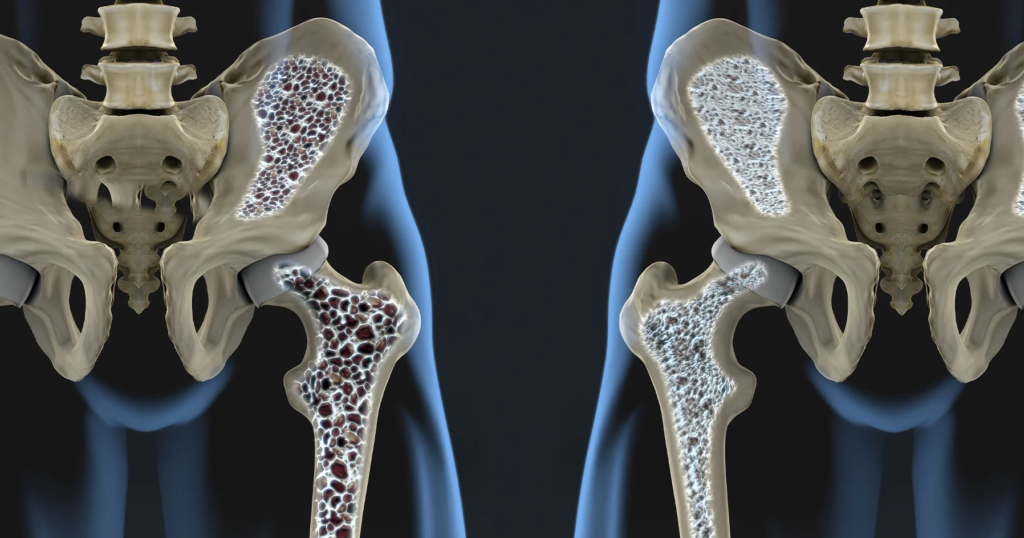
Women’s bones differ from men’s in structure, density, and the way they respond to hormonal changes. Understanding these differences is essential for maintaining bone health throughout life and preventing conditions like osteoporosis.
Smaller Bone Size and Lower Density
Women generally have smaller, thinner bones than men, which can make them more susceptible to fractures. While peak bone mass is usually reached by the late 20s, women start at a slightly lower baseline, making early prevention important.
Impact of Estrogen
Estrogen plays a critical role in protecting bones by regulating bone remodeling and preventing excessive bone breakdown. During menopause, declining estrogen levels accelerate bone loss, increasing the risk of osteoporosis and fractures.
Pregnancy and Lactation
During pregnancy and breastfeeding, the body provides calcium to the developing baby, which can temporarily affect the mother’s bone density. A diet rich in calcium and vitamin D, along with weight-bearing exercise, can help maintain bone strength during these stages.
Menstrual Health and Bone Strength
Irregular periods, amenorrhea (absence of periods), or hormonal imbalances in younger women can affect bone density. Maintaining hormonal balance through proper nutrition, exercise, and medical support is key to preventing bone weakness.
Lifestyle Factors
Smoking, excessive alcohol, low physical activity, and inadequate nutrition can further increase the risk of bone loss in women. Regular exercise, a balanced diet, and avoidance of harmful habits are essential preventive measures.
Tips for Strong Bones in Women
- Consume adequate calcium and vitamin D from food or supplements.
- Engage in weight-bearing and resistance exercises regularly.
- Maintain a healthy lifestyle by avoiding smoking and limiting alcohol.
- Monitor menstrual and hormonal health, especially during adolescence and menopause.
- Consider bone density screenings if risk factors are present.
Conclusion
Women face unique challenges in maintaining bone health due to hormonal changes, smaller bone structure, and life events such as pregnancy. Early awareness, proper nutrition, regular exercise, and medical guidance can help women maintain strong bones and reduce the risk of fractures throughout life.
Disclaimer:
This blog is for general educational purposes only. It does not replace professional medical advice. Consult a healthcare professional for personalized guidance on bone health.