
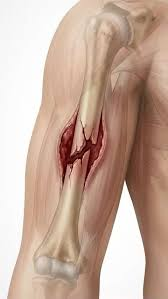
Bones have an incredible ability to repair themselves after fractures or injuries, but the healing process is complex and depends on several factors. Understanding how bones heal can help set realistic expectations and improve recovery outcomes.
The Bone Healing Process
Bone healing occurs in three main stages:
- Inflammatory Stage: Immediately after injury, blood clots form around the fracture site, and inflammation helps remove damaged tissue.
- Repair Stage: New bone tissue, called callus, begins to form, bridging the fracture. This tissue gradually hardens over time.
- Remodeling Stage: The new bone is reshaped and strengthened to restore its original structure and function.
Factors That Affect Complete Healing
- Age: Younger individuals generally heal faster due to higher bone regenerative capacity.
- Nutrition: Adequate intake of calcium, vitamin D, protein, and other nutrients supports bone repair.
- Medical Conditions: Diseases like diabetes, osteoporosis, or infections can slow healing.
- Lifestyle Factors: Smoking, excessive alcohol consumption, and low physical activity can impair bone regeneration.
- Proper Treatment: Correct alignment, immobilization, and follow-up care are critical for complete recovery.
When Bones May Not Heal Fully
Some fractures may result in incomplete healing, known as non-union or malunion, if the bone fragments do not align properly or healing is interrupted. In such cases, medical intervention like surgery may be required.
Tips to Support Bone Healing
- Follow all medical instructions regarding immobilization and activity restrictions.
- Maintain a nutrient-rich diet and consider supplementation if advised.
- Avoid smoking and limit alcohol intake.
- Engage in safe, guided physical therapy once approved by a healthcare professional.
Conclusion
Bones can heal completely after injury, but recovery depends on age, nutrition, overall health, and proper medical care. Early intervention, patience, and adherence to treatment plans are key to restoring bone strength and function.
Disclaimer:
This blog is for educational purposes only. It does not replace professional medical advice. Consult a healthcare professional for personalized guidance regarding bone injuries and healing.