
Bone conditions, if left untreated, can lead to serious complications that affect mobility, independence, and overall quality of life. Early detection and intervention are crucial to prevent long-term damage.
Osteoporosis and Fracture Risk
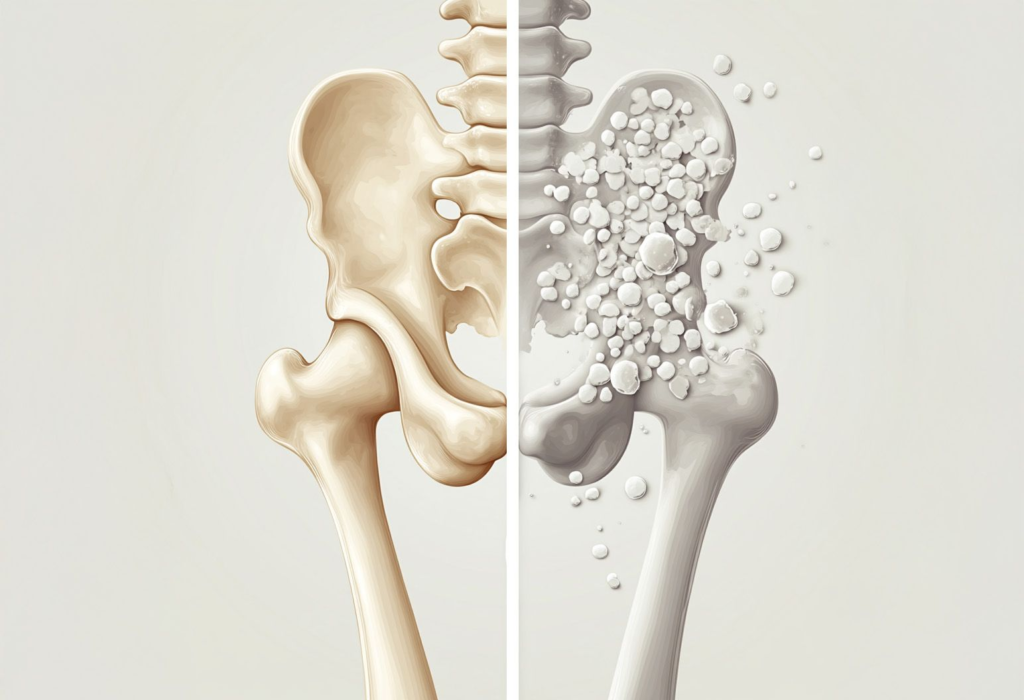
Untreated osteoporosis weakens bones, making them more prone to fractures. Even minor falls can lead to broken hips, wrists, or spine, which may result in long-term pain and disability.
Chronic Pain and Joint Problems
Conditions like untreated osteoarthritis or bone infections can cause persistent pain and stiffness. Over time, this may limit daily activities, reduce mobility, and increase reliance on others for routine tasks.
Deformities and Loss of Function
Bone disorders such as Paget’s disease or untreated fractures can cause bone deformities. These structural changes may impair movement, posture, and balance, increasing the risk of further injury.
Muscle Weakness and Imbalance
When bone problems limit activity, surrounding muscles may weaken. This creates a cycle of reduced mobility, increased joint stress, and greater vulnerability to injury.
Psychological Impact
Chronic bone conditions can lead to anxiety, depression, or social isolation due to pain, limited movement, or fear of injury. Early treatment and support can help maintain mental well-being alongside physical health.
Tips for Preventing Long-Term Complications
- Seek timely diagnosis and treatment for bone-related concerns.
- Maintain a nutrient-rich diet with calcium and vitamin D.
- Engage in regular weight-bearing and resistance exercises.
- Follow medical advice for medications, physical therapy, or surgical interventions if necessary.
- Monitor bone health through regular check-ups and screenings.
Conclusion
Ignoring bone conditions can have far-reaching consequences, from fractures and deformities to chronic pain and loss of independence. Early awareness, preventive measures, and consistent care are essential for protecting bones and maintaining long-term mobility.
Disclaimer:
This blog is intended for general educational purposes only. It does not replace professional medical advice. Always consult a healthcare professional for diagnosis or treatment of bone conditions.