
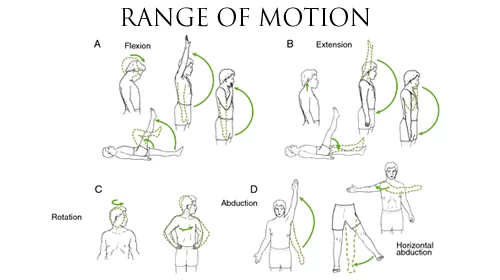
Range of motion (ROM) refers to the full movement potential of a joint, from full extension to complete flexion. A reduced range of motion can affect daily activities, cause discomfort, and indicate underlying orthopedic issues.
Causes of Reduced Range of Motion
- Joint Stiffness: Conditions like arthritis or tendonitis can make joints less flexible.
- Injury: Past fractures, dislocations, or ligament tears may limit movement.
- Muscle Tightness: Tight muscles and tendons surrounding a joint can restrict motion.
- Postural Issues: Poor posture or prolonged inactivity can lead to joint stiffness over time.
- Aging: Natural wear and tear reduces joint elasticity and flexibility as we age.
Impact on Daily Life
Limited ROM can make simple activities like reaching for objects, bending, walking, or climbing stairs difficult. Over time, it may also cause compensatory movements, leading to pain in other joints or muscles.
Tips to Maintain or Improve Range of Motion
- Engage in regular stretching and flexibility exercises.
- Strengthen muscles supporting the joint to improve stability and movement.
- Avoid prolonged periods of inactivity or poor posture.
- Consult a physical therapist for guided exercises if movement is restricted.
- Address joint pain early to prevent further limitation.
Conclusion
Reduced range of motion is a common issue that can affect mobility and quality of life. With regular exercise, proper posture, and timely medical care, joint flexibility can be preserved or improved, supporting overall orthopedic health.
Disclaimer:
This blog is for educational purposes only. It does not replace professional medical advice. Consult a healthcare professional for personalized guidance regarding joint mobility.