
Healthy joints are essential for performing daily activities, maintaining mobility, and living independently. When joint health declines, simple tasks can become challenging, impacting overall quality of life.
Impact on Daily Activities
Joint pain or stiffness in the knees, hips, shoulders, or hands can make activities like walking, climbing stairs, cooking, or dressing difficult. Over time, this may increase dependence on others for routine tasks.
Reduced Mobility and Balance
Compromised joints can affect balance and coordination, increasing the risk of falls and injuries. Limited mobility may also discourage physical activity, which can further weaken muscles and joints.
Emotional and Social Effects
Difficulty performing everyday tasks can lead to frustration, anxiety, or social isolation. Maintaining joint health helps preserve confidence and independence in daily life.
Preventive Measures for Joint Health
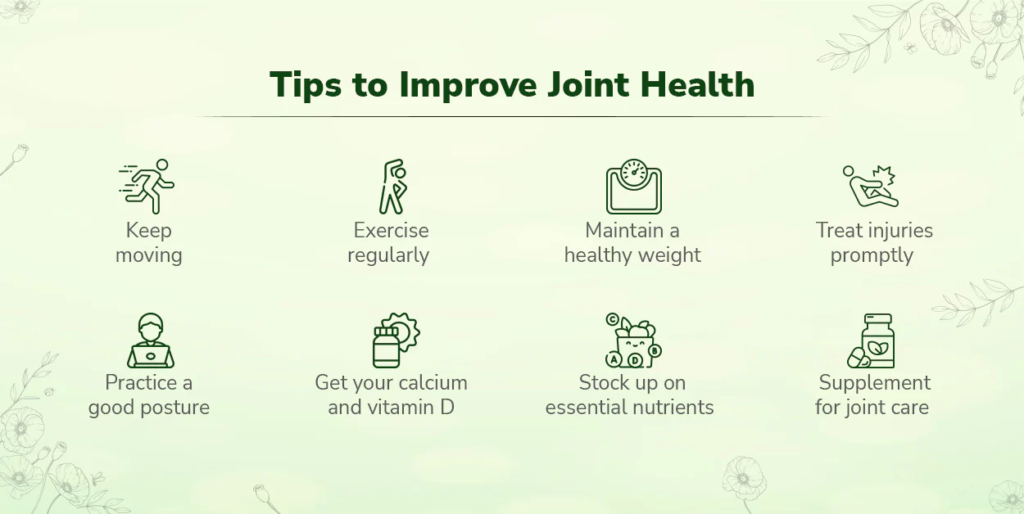
- Engage in regular low-impact exercises such as walking, swimming, or yoga to strengthen muscles and maintain flexibility.
- Maintain a balanced diet with adequate calcium, vitamin D, and protein for strong bones and joints.
- Avoid repetitive strain and overuse of vulnerable joints.
- Seek medical advice promptly for joint pain or stiffness to prevent further deterioration.
Conclusion
Joint health plays a critical role in independence and overall well-being. By focusing on prevention, exercise, and proper care, individuals can maintain mobility, reduce pain, and continue performing daily activities confidently.
Disclaimer:
This blog is intended for educational purposes only. It does not replace professional medical advice. Consult a healthcare professional for personalized guidance on joint health and mobility.