
As we age, mobility naturally declines due to changes in muscles, joints, bones, and balance. However, understanding the causes and taking proactive steps can help slow this process and maintain independence.
Age-Related Muscle Loss
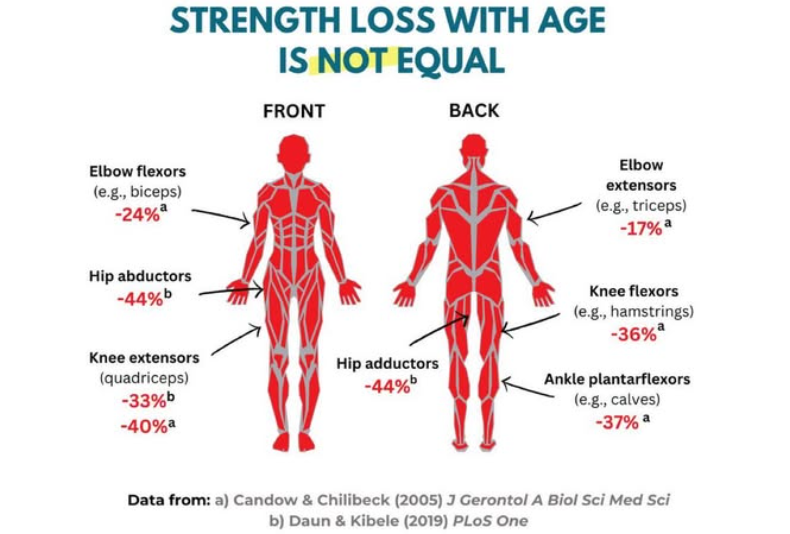
Sarcopenia, the gradual loss of muscle mass with age, reduces strength and stability. Weaker muscles make movements slower and increase the risk of falls.
Joint Degeneration
Wear and tear of cartilage in joints, particularly in the knees, hips, and spine, can cause stiffness and pain. Conditions like osteoarthritis accelerate this process.
Bone Density Decline
Bones lose strength with age, making them more prone to fractures. Lower bone density can indirectly reduce mobility due to pain or fear of injury.
Balance and Coordination Changes
Age-related changes in the inner ear, vision, and proprioception can affect balance. This increases the likelihood of falls and limits confidence in movement.
Tips to Slow Mobility Decline
- Engage in regular strength training to maintain muscle mass.
- Perform flexibility and balance exercises such as yoga or tai chi.
- Maintain a diet rich in calcium, vitamin D, and protein.
- Stay active with low-impact activities like walking, swimming, or cycling.
- Monitor joint health and seek medical advice for pain or stiffness.
Conclusion
While mobility naturally declines with age, lifestyle choices and targeted exercises can slow this process. Maintaining muscle strength, joint flexibility, and balance ensures better independence and quality of life as we grow older.
Disclaimer:
This blog is intended for educational purposes only. It does not replace professional medical advice. Consult a healthcare professional for guidance on maintaining mobility and joint health.