
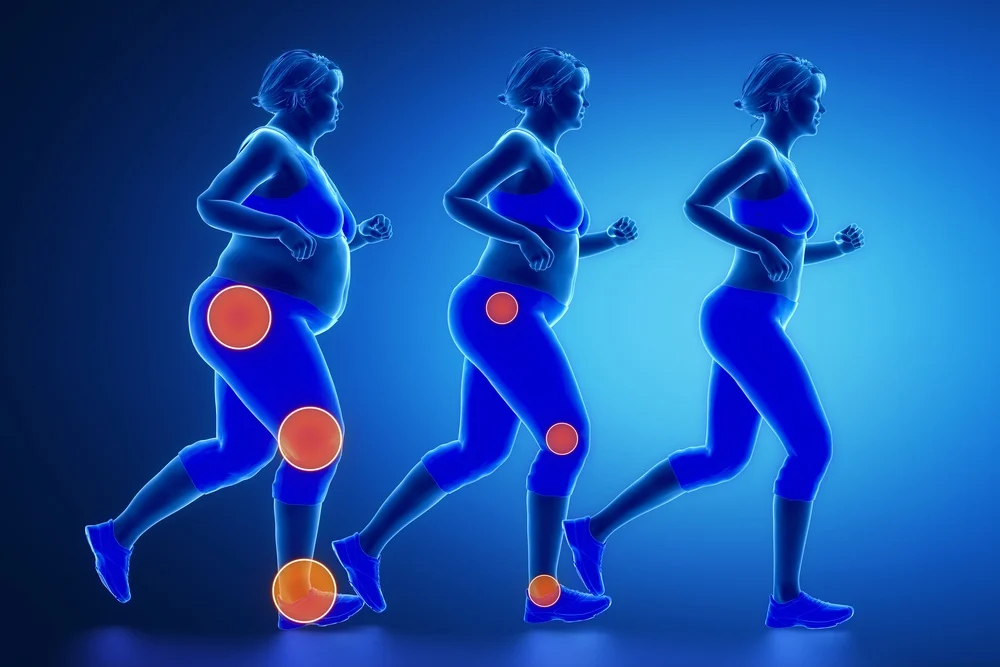
Carrying extra body weight can put significant stress on bones and joints, leading to pain, reduced mobility, and long-term orthopedic issues. Understanding this connection can help prevent damage and maintain joint health.
Increased Load on Weight-Bearing Joints
Excess weight adds pressure to knees, hips, and the spine. Over time, this can accelerate cartilage wear, increase the risk of osteoarthritis, and cause joint pain during daily activities.
Postural Changes
Extra weight, especially around the abdomen, can alter posture and gait. These changes place additional strain on the spine, hips, and lower limbs, potentially causing back pain and misalignment.
Inflammation
Excess body fat contributes to systemic inflammation, which can worsen joint pain and degeneration. Chronic inflammation may also affect bone remodeling, making bones more vulnerable.
Higher Risk of Injury
Heavier weight increases the impact on joints during falls or accidents, raising the likelihood of fractures or ligament injuries.
Tips to Protect Bones and Joints
- Maintain a healthy weight through balanced nutrition and regular physical activity.
- Engage in low-impact exercises such as swimming, cycling, or walking to reduce joint strain.
- Strengthen muscles around weight-bearing joints for added support.
- Consult a healthcare professional for guidance on weight management and joint health.
Conclusion
Excess weight can accelerate joint wear, increase pain, and compromise bone health. Maintaining a healthy weight, combined with exercise and strength training, helps protect joints and promotes long-term orthopedic well-being.
Disclaimer:
This blog is for educational purposes only. It does not replace professional medical advice. Consult a healthcare professional for personalized guidance regarding weight and joint health.