
Footwear plays a crucial role in supporting bones, joints, and overall posture. Poor shoe choices can contribute to pain, injuries, and long-term orthopedic problems.
Impact on Joints and Bones
Wearing unsupportive shoes can alter gait, placing extra stress on knees, hips, and the spine. High heels, flat shoes without arch support, or worn-out footwear can lead to misalignment and joint pain over time.
Foot Conditions
Ill-fitting shoes can cause bunions, plantar fasciitis, or stress fractures. These conditions not only affect the feet but can also impact posture and mobility.
Balance and Stability
Shoes with inadequate support or slippery soles increase the risk of falls and injuries, particularly in older adults or those with existing orthopedic issues.
Tips for Choosing the Right Footwear
- Select shoes that provide proper arch support and cushioning.
- Ensure a comfortable fit without tight toes or excessive pressure points.
- Replace worn-out shoes regularly to maintain support and stability.
- Choose activity-specific footwear for sports or exercise.
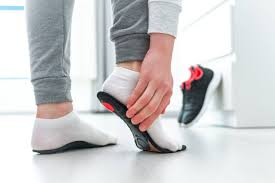
- Consider orthotic inserts if recommended by a healthcare professional.
Conclusion
Footwear significantly influences orthopedic health, affecting posture, joint alignment, and injury risk. Choosing supportive, well-fitted shoes can prevent discomfort, enhance mobility, and protect bones and joints for a lifetime.
Disclaimer:
This blog is for educational purposes only. It does not replace professional medical advice. Consult a healthcare professional for personalized guidance on footwear and orthopedic health.