
Excessive screen time from smartphones, computers, or televisions can negatively affect the neck, spine, and overall posture. Understanding the risks and making adjustments can help prevent pain and long-term orthopedic issues.
Forward Head Posture
Looking down at screens for long periods strains the neck muscles and puts extra pressure on the cervical spine. This can lead to stiffness, pain, and tension headaches.
Rounded Shoulders and Upper Back Stress
Slouching or leaning forward while using devices can cause the shoulders to round and the upper back to hunch, affecting spinal alignment and increasing discomfort.
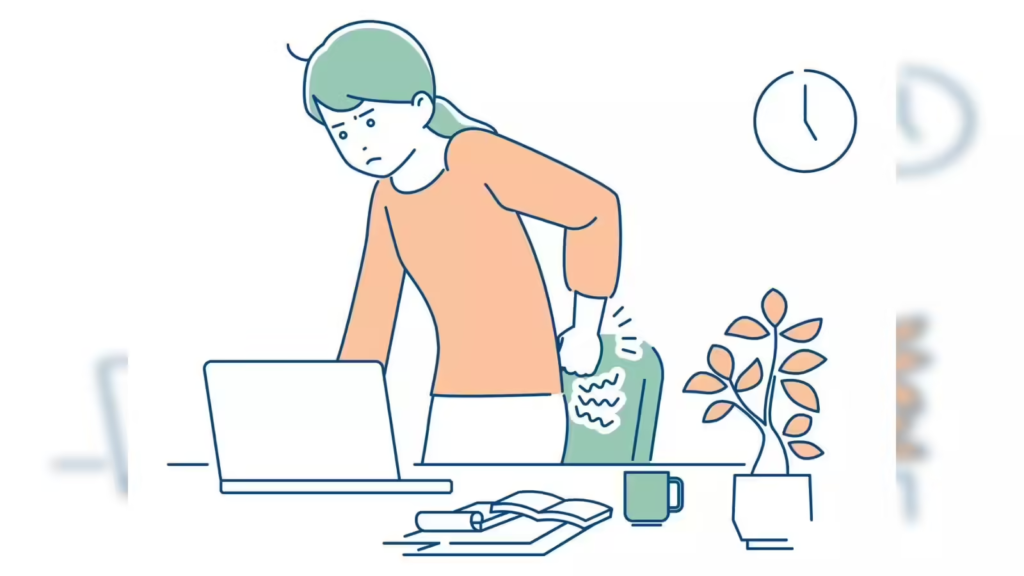
Lower Back Strain
Sitting for prolonged hours without proper support can strain the lumbar spine. Poor posture and weak core muscles may contribute to chronic lower back pain.
Tips to Reduce Screen-Related Strain
- Maintain screens at eye level to prevent forward head posture.
- Use ergonomic chairs and maintain proper sitting posture.
- Take breaks every 30–60 minutes to stand, stretch, and walk.
- Perform strengthening exercises for neck, shoulders, and core muscles.
- Limit recreational screen time and encourage movement throughout the day.
Conclusion
Prolonged screen time can negatively affect neck and spine health, leading to pain and postural issues. Proper ergonomics, regular breaks, and strengthening exercises can help protect the spine and maintain overall orthopedic health.
Disclaimer:
This blog is intended for educational purposes only. It does not replace professional medical advice. Consult a healthcare professional for personalized guidance regarding neck or spine discomfort.