
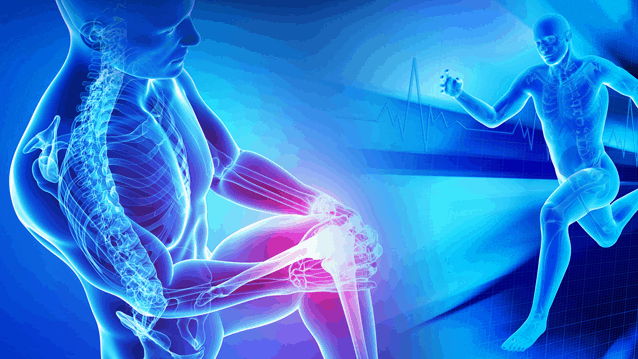
Orthopedic conditions, including joint pain, bone disorders, and muscle injuries, can have a significant impact on daily life. Beyond physical discomfort, these conditions influence mobility, independence, and overall well-being.
Reduced Mobility and Activity
Pain and stiffness may limit movement, making daily activities such as walking, climbing stairs, or household tasks more challenging.
Impact on Independence
Severe or chronic orthopedic conditions can reduce the ability to perform self-care tasks, increasing reliance on others and affecting personal freedom.
Emotional and Mental Health Effects
Chronic pain and reduced mobility can lead to stress, anxiety, or depression. Social interactions may also decline due to limitations in activity.
Sleep and Rest Disruption
Pain and discomfort often interfere with sleep, affecting energy levels and overall health.
Economic and Lifestyle Impact
Frequent medical visits, therapy sessions, and potential loss of work time can create financial and lifestyle challenges.
Managing Quality of Life
- Seek early orthopedic evaluation
- Follow prescribed therapy and rehabilitation plans
- Maintain a healthy, active lifestyle within your limits
- Use supportive devices if recommended
Conclusion
Orthopedic conditions affect multiple aspects of life beyond physical pain. Timely care, rehabilitation, and lifestyle adjustments can help maintain mobility, independence, and overall quality of life.
Disclaimer:
This blog is intended for educational purposes only. It does not replace professional medical advice. Consult a healthcare professional if you notice persistent pain, numbness, or postural changes.