
Fuel Your Bones with the Right Nutrients After 60
As we age, our bone density naturally decreases, making seniors more prone to fractures and osteoporosis. The good news? A balanced diet rich in essential nutrients can support bone strength and reduce the risk of bone-related conditions. Here’s what every senior should know about eating for healthier bones.
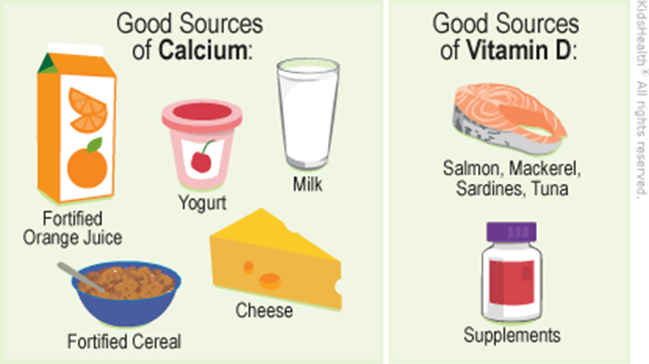
1. Calcium is Key
Calcium is the building block of bones. After 60, the body absorbs calcium less efficiently, so you need more from your diet.
Good Sources:
- Milk, cheese, and yogurt
- Leafy greens like spinach and kale
- Almonds and sesame seeds
- Fortified foods (soy milk, orange juice)
2. Don’t Forget Vitamin D
Vitamin D helps your body absorb calcium. Without it, even calcium-rich diets won’t do much for your bones.
Good Sources:
- Sunlight (10–15 mins/day)
- Egg yolks
- Fatty fish (salmon, sardines)
- Fortified cereals and dairy
3. Protein for Bone Repair
Protein helps with the repair and regeneration of bone tissues. Seniors often eat too little protein, risking bone loss.
Good Sources:
- Eggs
- Lentils and beans
- Chicken and fish
- Tofu and nuts
4. Magnesium, Zinc & Vitamin K
These micronutrients work silently behind the scenes to support bone structure and calcium metabolism.
Good Sources:
- Whole grains
- Pumpkin seeds
- Carrots and broccoli
- Avocados and bananas
5. Limit These for Better Bone Health
Avoid foods and habits that weaken bones:
- Excess salt (can cause calcium loss)
- Caffeine in large amounts
- Sugary drinks and soda
- Smoking and alcohol
Sample Day for Bone-Friendly Meals
- Breakfast: Fortified oats with milk + boiled egg
- Lunch: Grilled tofu with sautéed spinach and brown rice
- Snack: Almonds and a banana
- Dinner: Baked salmon with broccoli and sweet potato
Conclusion
A bone-healthy diet isn’t just about calcium tablets—it’s about consistent, balanced meals that fuel your body with the right nutrients. Pair this diet with regular exercise and sunlight for the best results in your senior years.
Disclaimer: This blog is for general awareness only. Always consult your doctor or a dietitian for a plan tailored to your health needs.