
As people enter their 40s, natural changes in the body can begin to affect bones, joints, and muscles. While aging does not automatically lead to orthopedic problems, wear and tear combined with lifestyle factors can increase the risk of discomfort and reduced mobility.
Joint Stiffness and Pain
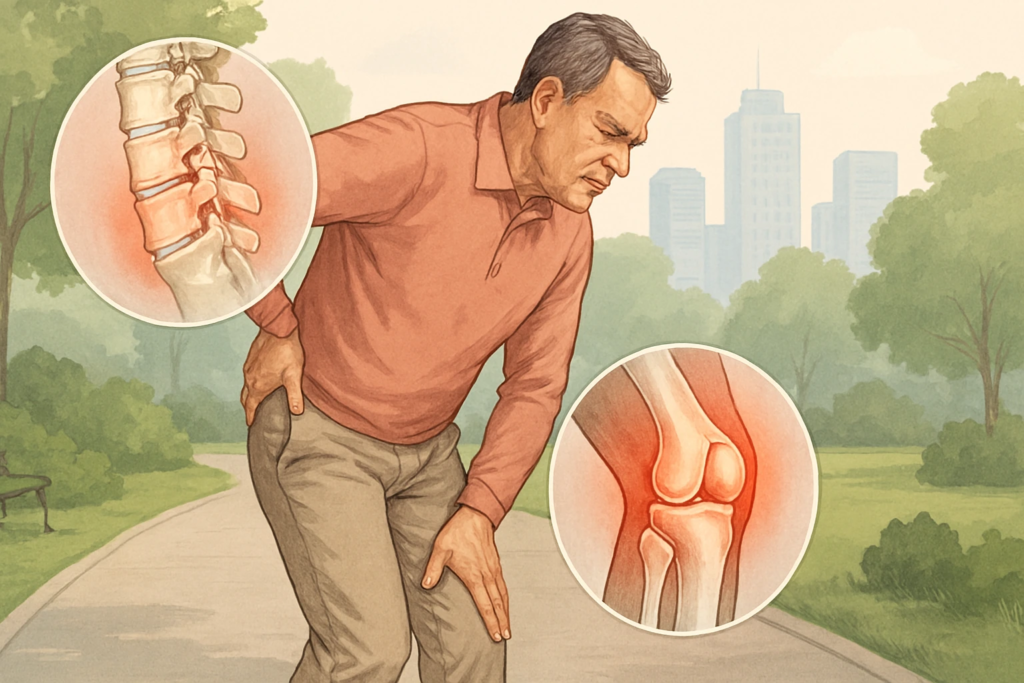
Cartilage gradually loses its flexibility with age, leading to stiffness and occasional pain, especially in the knees, hips, and hands. Morning stiffness becomes more noticeable during this stage of life.
Early Degenerative Joint Changes
Mild degenerative changes may begin in weight-bearing joints. These changes can cause discomfort during prolonged activity or after long periods of rest.
Back and Neck Discomfort
Poor posture, prolonged sitting, and reduced muscle strength often contribute to back and neck pain after 40. Spinal discs may also lose hydration, affecting flexibility.
Reduced Muscle Strength and Flexibility
Muscle mass and elasticity naturally decline with age. This can reduce joint support, increase fatigue, and raise the risk of injury.
Tendon and Ligament Issues
Tendons and ligaments become less flexible over time, making them more prone to irritation or strain during sudden movements.
Ways to Manage and Prevent Issues
- Stay physically active with low-impact exercises
- Maintain proper posture and ergonomic habits
- Strengthen muscles to support joints
- Stretch regularly to improve flexibility
- Address pain early rather than ignoring symptoms
Conclusion
Orthopedic issues after 40 are common but manageable. With awareness, regular activity, and preventive care, it is possible to maintain mobility, reduce pain, and stay active well into later years.
Disclaimer:
This blog is intended for general educational purposes only. It does not replace medical advice, diagnosis, or treatment. Always consult a qualified healthcare professional for personalized guidance.