
Stay Active, Stay Independent
As we age, our joints naturally undergo wear and tear. But that doesn’t mean we have to give up on movement. In fact, regular, low-impact exercises can reduce joint stiffness, improve mobility, and prevent falls in seniors.
Why Exercise Matters for Aging Joints
- Increases joint flexibility and range of motion
- Strengthens muscles that support joints
- Improves balance and coordination
- Reduces inflammation and stiffness
Tip: Even 30 minutes a day can make a big difference.
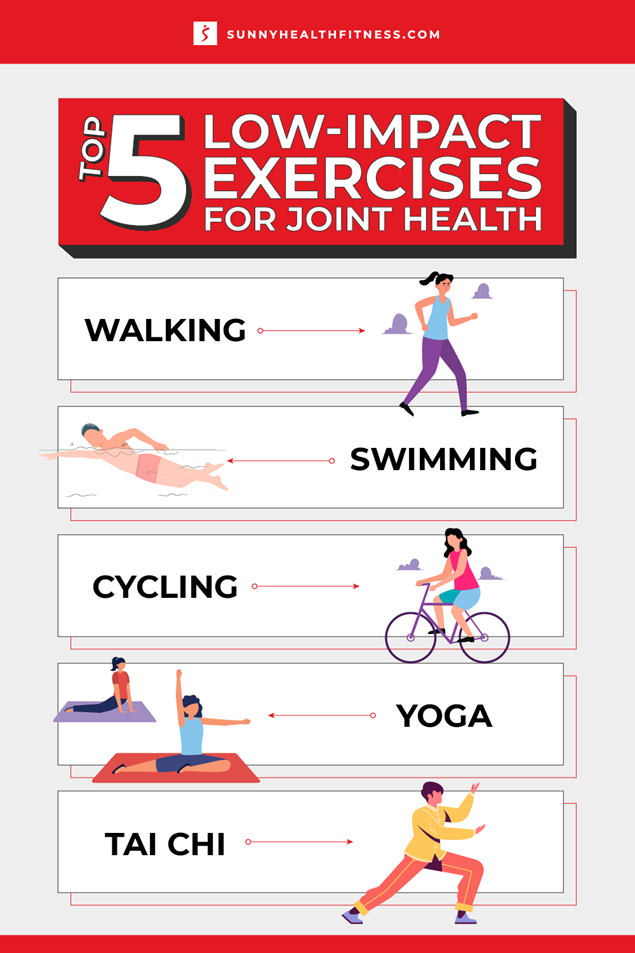
Ideal Exercises for Joint Health
1. Stretching (5–10 minutes daily)
- Neck rolls, shoulder circles, calf stretches
- Improves flexibility and reduces morning stiffness
2. Low-Impact Cardio (15–20 minutes, 3–5 times a week)
- Brisk walking
- Stationary cycling
- Water aerobics
- Boosts circulation and keeps joints lubricated
3. Strength Training (2–3 times a week)
- Light resistance bands or hand weights
- Chair squats and wall push-ups
- Builds muscle to reduce stress on joints
4. Balance and Stability
- Standing on one leg
- Heel-to-toe walks
- Tai chi or yoga
- Helps prevent falls and improves posture
Exercises to Avoid
- High-impact activities (e.g., running on hard surfaces)
- Deep squats or lunges with poor form
- Twisting movements that stress the knees and hips
Safety Tips
- Warm-up and cool-down are essential
- Stay hydrated
- Listen to your body—stop if pain occurs
- Consult a doctor before starting a new routine
Conclusion
A consistent and safe exercise routine can protect joint function, relieve arthritis symptoms, and enhance quality of life for seniors. With the right moves, staying active in your golden years is not only possible—it’s essential.
Disclaimer: This blog is for general awareness only. Always consult your healthcare provider before beginning any exercise regimen.