
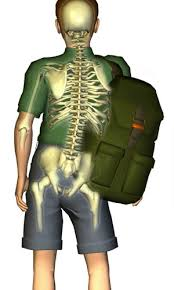
Carrying heavy bags, whether backpacks, purses, or shoulder bags, can strain the spine and surrounding muscles, leading to pain, poor posture, and long-term orthopedic issues.
Uneven Weight Distribution
Carrying a bag on one shoulder shifts your body’s weight to one side, causing imbalance. This uneven load stresses the spine, shoulders, and neck muscles.
Postural Changes
Heavy bags can cause slouching, forward leaning, or arching of the lower back. Over time, these postural changes may lead to chronic back or neck pain.
Muscle Fatigue
Supporting extra weight requires continuous effort from back, shoulder, and core muscles. Prolonged strain can lead to fatigue, discomfort, and muscle tightness.
Joint Stress
Repeatedly carrying heavy loads increases pressure on spinal discs, hip joints, and knees, which may contribute to pain and accelerated wear.
Tips to Protect Your Spine
- Use backpacks with padded straps and distribute weight evenly across both shoulders.
- Keep bag weight within 10–15% of your body weight.
- Switch sides frequently if using a single-shoulder bag.
- Strengthen core and back muscles to support proper posture.
- Take breaks from carrying heavy items whenever possible.
Conclusion
Carrying heavy bags improperly can strain the spine, muscles, and joints, leading to pain and long-term issues. Using proper techniques, supporting muscles, and managing weight can help protect spinal health.
Disclaimer:
This blog is for educational purposes only. It does not replace professional medical advice. Consult a healthcare professional for guidance on preventing back and neck pain from carrying heavy loads.