
Hormones play a vital role in maintaining strong bones. Changes in hormone levels—whether due to age, medical conditions, or lifestyle factors—can significantly impact bone density and overall skeletal health.
Estrogen and Bone Health
In women, estrogen helps regulate bone remodeling by preventing excessive bone breakdown. During menopause, estrogen levels drop, increasing the risk of osteoporosis and fractures. Maintaining bone health through diet, exercise, and medical guidance is essential during this transition.
Testosterone and Bone Strength
In men, testosterone supports bone density by stimulating bone formation and maintaining muscle mass. Low testosterone levels, which may occur with aging or certain medical conditions, can lead to decreased bone strength and increased fracture risk.
Thyroid Hormones
Excess thyroid hormones can accelerate bone turnover, leading to weakened bones over time. Conditions like hyperthyroidism require careful management to protect bone health.
Parathyroid Hormone (PTH) Imbalances
PTH regulates calcium levels in the blood and bones. Overactive parathyroid glands can lead to calcium loss from bones, reducing bone density and increasing fracture risk.
Other Hormonal Factors
Cortisol (stress hormone) in high levels, insulin, and growth hormones also influence bone health. Chronic stress, certain medications, and endocrine disorders may negatively impact bone strength.
Tips to Protect Bone Health During Hormonal Changes
- Maintain a balanced diet rich in calcium, vitamin D, and protein.
- Engage in weight-bearing and resistance exercises to strengthen bones and muscles.
- Avoid smoking and limit alcohol consumption.
- Consult a healthcare professional for monitoring hormone levels and possible supplementation.
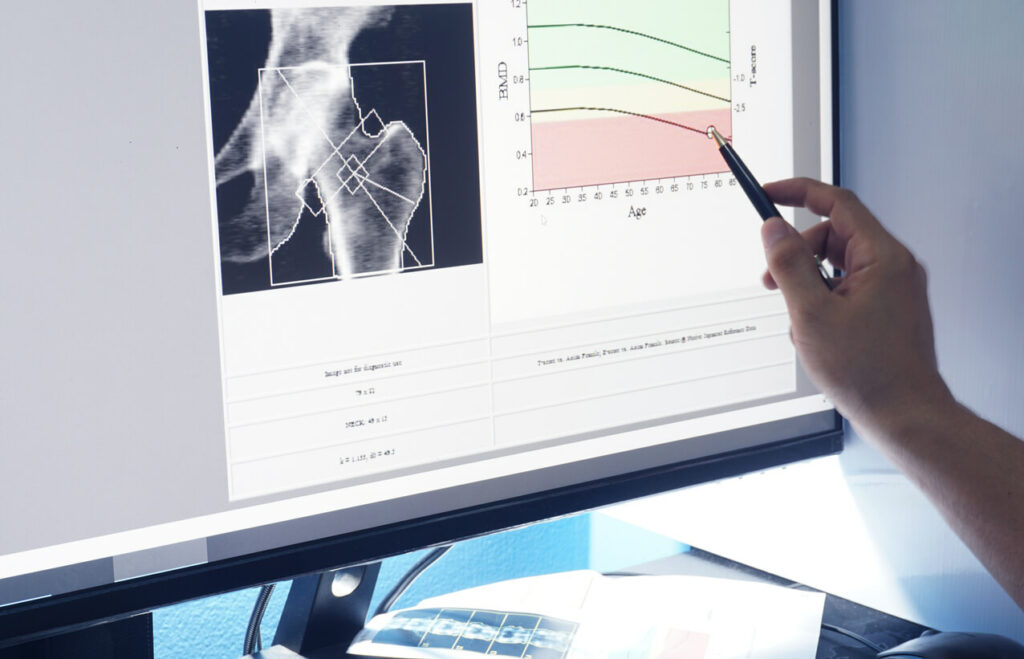
- Consider bone density testing, especially during menopause or if hormonal imbalances are suspected.
Conclusion
Hormonal changes can significantly affect bone health at any stage of life. Awareness, proper nutrition, regular exercise, and medical guidance are key to maintaining strong, resilient bones and reducing the risk of fractures.
Disclaimer:
This blog is for educational purposes only and does not replace professional medical advice. Always consult a healthcare professional for personalized guidance regarding bone health.