
Daily lifestyle habits play a significant role in maintaining healthy bones and joints. While genetics and age influence orthopedic health, everyday choices can either strengthen the musculoskeletal system or gradually weaken it over time.
Understanding how lifestyle factors affect bone and joint health can help reduce pain, improve mobility, and prevent long-term orthopedic conditions.
1. Physical Activity Levels
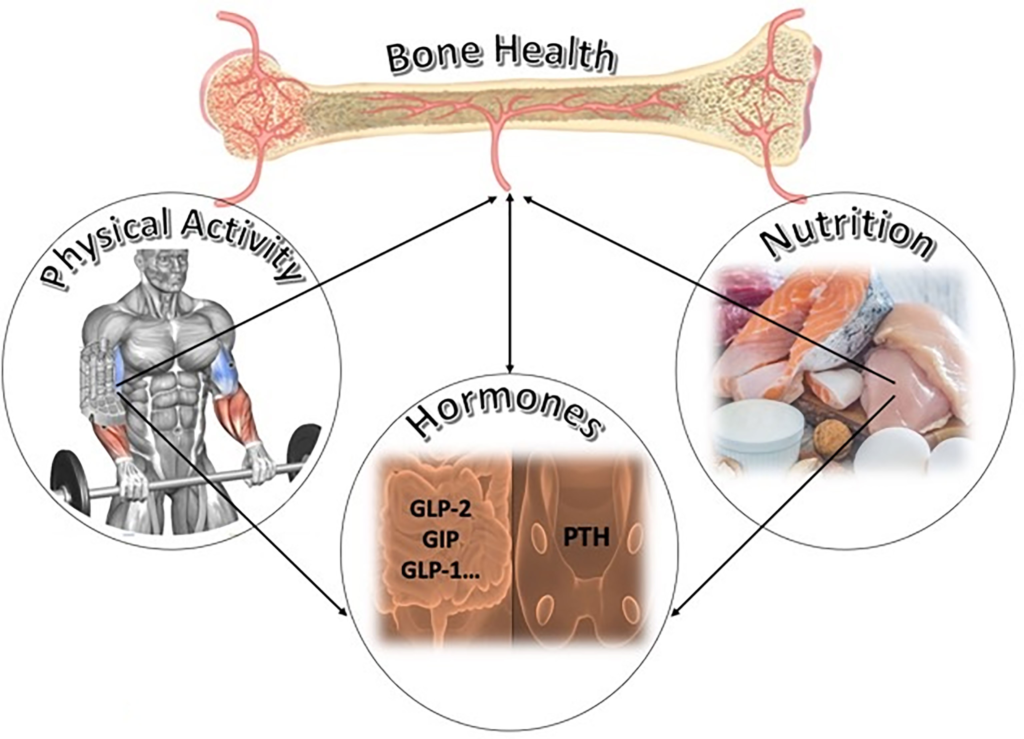
Regular movement helps keep joints flexible and bones strong. A lack of physical activity can lead to stiffness, muscle weakness, and reduced bone density.
Prevention: Engage in moderate exercises such as walking, stretching, and strength training to support joint and bone health.
2. Dietary Habits
Bones and joints require proper nutrients to remain strong. Poor dietary choices can contribute to weakened bones and joint discomfort.
Prevention: Include calcium-rich foods, vitamin D, and protein in daily meals to support musculoskeletal health.
3. Body Weight Management
Excess body weight places additional stress on weight-bearing joints, increasing the risk of pain and degeneration.
Prevention: Maintain a healthy weight through balanced nutrition and regular physical activity.
4. Posture and Body Mechanics
Poor posture during sitting, standing, or lifting can strain joints and muscles, leading to long-term orthopedic issues.
Prevention: Practice proper posture, use ergonomic seating, and avoid prolonged slouching.
5. Smoking and Alcohol Consumption
Certain lifestyle habits can interfere with bone healing and reduce bone density over time.
Prevention: Limit harmful habits and adopt healthier lifestyle choices to support bone strength.
Lifestyle choices made today can have lasting effects on bone and joint health. Small, consistent changes can help prevent orthopedic problems and support long-term mobility and comfort.
Disclaimer:
This blog is intended for general educational purposes only. It does not replace medical advice, diagnosis, or treatment. Always consult a qualified healthcare professional for personalized guidance.