Strong Bones, Better Living
As we age, our bodies naturally undergo changes that affect bone health. Two essential nutrients—Calcium and Vitamin D—play a major role in keeping bones strong and preventing conditions like osteoporosis. Let’s understand why they matter more in old age than ever before.
Why Calcium Matters
Calcium is the building block of our bones and teeth. As bone density decreases with age, the body needs more calcium to prevent fractures and bone thinning.
- Supports bone strength
- Helps with muscle contractions
- Prevents brittle bones and fractures
Tip: Postmenopausal women and seniors over 60 often require more calcium than younger adults.
The Role of Vitamin D
Vitamin D helps the body absorb calcium effectively. Without enough Vitamin D, even a calcium-rich diet won’t benefit your bones.
- Boosts calcium absorption in the gut
- Supports immune health
- Reduces risk of falls by improving muscle function
Fact: Sunlight is a natural source of Vitamin D, but seniors often get less sun exposure, increasing deficiency risk.
Sources of Calcium and Vitamin D
Calcium-rich foods:
- Milk, yogurt, and cheese
- Leafy greens (like spinach, kale)
- Almonds and fortified cereals
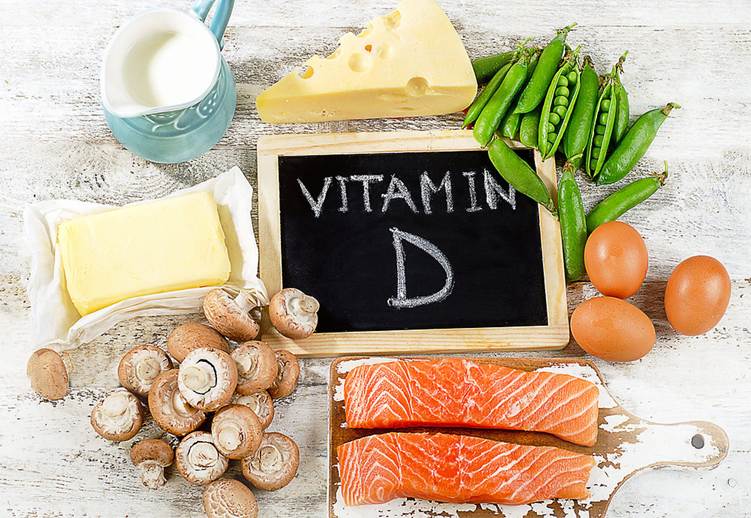
Vitamin D sources:
- Fatty fish (salmon, tuna)
- Egg yolks
- Fortified foods and supplements
Deficiency Risks
Not getting enough of these nutrients can lead to:
- Osteoporosis
- Increased risk of fractures
- Muscle weakness
- Dental problems
Tips for Seniors
- Get regular bone density tests
- Take supplements if prescribed
- Spend 15–30 minutes in sunlight daily
- Incorporate bone-healthy foods in meals
Conclusion
Strong bones are key to an active and independent life in old age. Ensuring you get enough calcium and vitamin D through diet, sun exposure, and supplements (if needed) is one of the best steps you can take for your long-term health.
Disclaimer: This blog is for general awareness only. Always consult your doctor or dietitian before starting supplements or making major changes to your diet.