
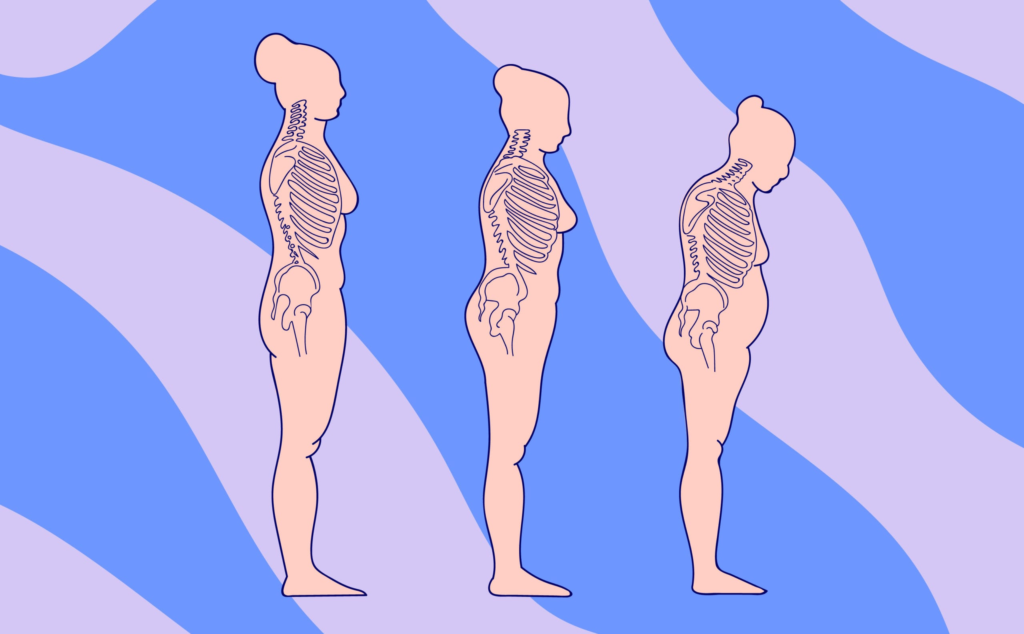
After menopause, women experience hormonal changes that can significantly affect bone strength. The drop in estrogen levels accelerates bone loss, increasing the risk of fractures if preventive steps are not taken. Understanding these changes is key to maintaining long-term bone health.
Impact of Hormonal Changes
Estrogen plays an important role in maintaining bone density. After menopause, reduced estrogen levels can cause bones to lose minerals more rapidly, making them weaker and more fragile.
Increased Risk of Bone Loss
Bone loss tends to occur faster during the years following menopause. Without proper care, this can lead to reduced bone density and higher fracture risk.
Role of Nutrition
Adequate intake of calcium, vitamin D, and other essential nutrients supports bone strength. A balanced diet helps slow bone loss and supports overall skeletal health.
Importance of Physical Activity
Weight-bearing and strength-training exercises help maintain bone density and improve balance. Regular movement also supports joint health and muscle strength.
Lifestyle Habits That Support Bone Health
- Stay physically active
- Avoid smoking and excessive alcohol use
- Maintain a healthy body weight
- Get regular exposure to sunlight for vitamin D
Conclusion
Maintaining bone health after menopause requires awareness and consistent care. With proper nutrition, physical activity, and healthy lifestyle habits, women can reduce bone loss and protect long-term skeletal health.
Disclaimer:
This blog is intended for general educational purposes only. It does not replace medical advice, diagnosis, or treatment. Always consult a qualified healthcare professional for personalized guidance.