
As people age, bones, joints, and muscles naturally undergo changes that can increase the risk of orthopedic problems. In seniors, these conditions may affect mobility, balance, and independence if not addressed early.
Joint Degeneration
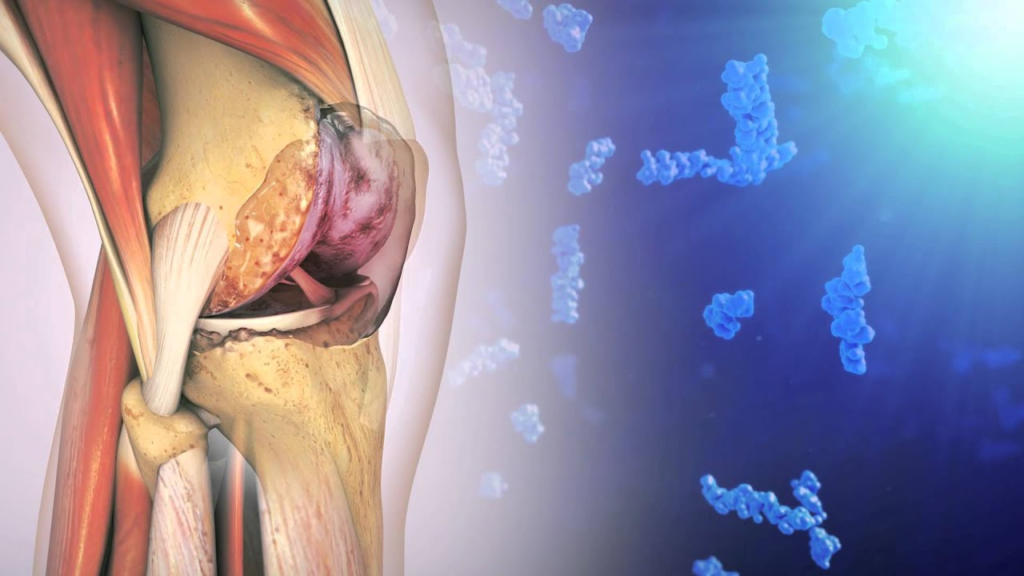
Wear and tear of joint cartilage can lead to stiffness, pain, and reduced movement, particularly in the knees, hips, and hands. These changes often progress gradually over time.
Reduced Bone Strength
Bones may become thinner and more fragile with age, increasing the risk of fractures from minor falls or injuries.
Back and Spine Issues
Degenerative changes in the spine can contribute to back pain, reduced flexibility, and posture changes. These issues may also affect balance and walking ability.
Muscle Weakness and Loss of Balance
Loss of muscle strength can reduce joint support and increase the likelihood of falls. Balance problems may further raise injury risk.
Delayed Healing
In seniors, healing from injuries or fractures may take longer due to reduced circulation and slower tissue repair.
Managing Orthopedic Health in Seniors
- Engage in safe, low-impact physical activity
- Maintain adequate nutrition for bone and muscle health
- Focus on balance and strength exercises
- Prevent falls by creating a safe living environment
- Seek early evaluation for persistent pain or mobility issues
Conclusion
Orthopedic problems are common in seniors but can be effectively managed. Early attention, preventive care, and active lifestyle choices can help maintain mobility, independence, and quality of life.
Disclaimer:
This blog is intended for general educational purposes only. It does not replace medical advice, diagnosis, or treatment. Always consult a qualified healthcare professional for personalized guidance.