
Fractures can occur suddenly, but often weak bones give subtle warning signs before a break happens. Recognizing these early indicators can help you take preventive measures and protect your bone health.
Frequent or Minor Fractures
Experiencing fractures from minor falls or small impacts may indicate underlying bone weakness. Bones should generally withstand everyday stress, so repeated breaks are a warning sign.
Back or Spinal Issues
Compression fractures in the spine can cause loss of height, stooped posture, or sudden back pain. These may develop gradually and often indicate decreased bone density.
Joint or Bone Pain
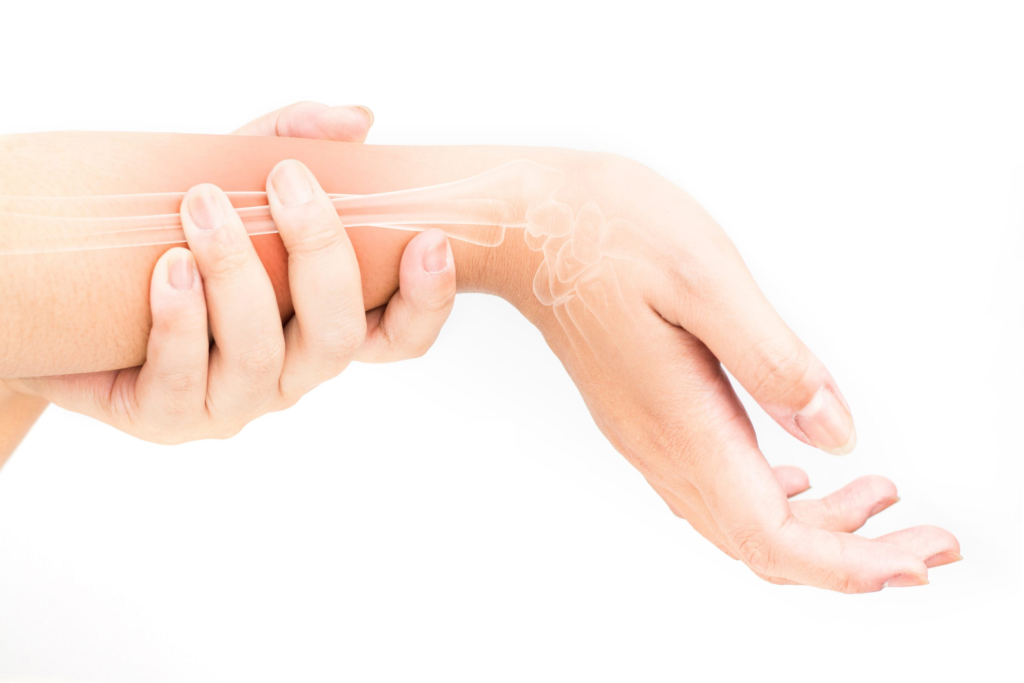
Persistent pain in the hips, wrists, or other bones, even without injury, may signal weakening bones or early osteoporosis. Pain may worsen with activity or pressure.
Muscle Weakness or Balance Problems
Muscle weakness can contribute to falls, increasing fracture risk. Difficulty maintaining balance or frequent stumbling may be linked to bone fragility.
Changes in Lifestyle or Risk Factors
Factors such as a diet low in calcium or vitamin D, smoking, excessive alcohol intake, sedentary habits, and hormonal changes can all increase fracture risk over time.
Tips to Reduce Fracture Risk
- Consume a nutrient-rich diet with calcium, vitamin D, and protein.
- Engage in weight-bearing and resistance exercises to strengthen bones and muscles.
- Avoid smoking and limit alcohol intake.
- Take precautions to prevent falls, such as using supportive footwear and keeping living spaces safe.
- Consider bone density screenings if you have risk factors or family history of osteoporosis.
Conclusion
Bones often give subtle signs before serious fractures occur. Paying attention to recurring pain, minor injuries, posture changes, and lifestyle risk factors can help detect weakness early. Combining nutrition, exercise, and preventive measures ensures stronger bones and lowers the likelihood of fractures.
Disclaimer:
This blog is for general educational purposes only. It does not replace professional medical advice. Consult a healthcare professional for personalized evaluation and guidance regarding bone health.