
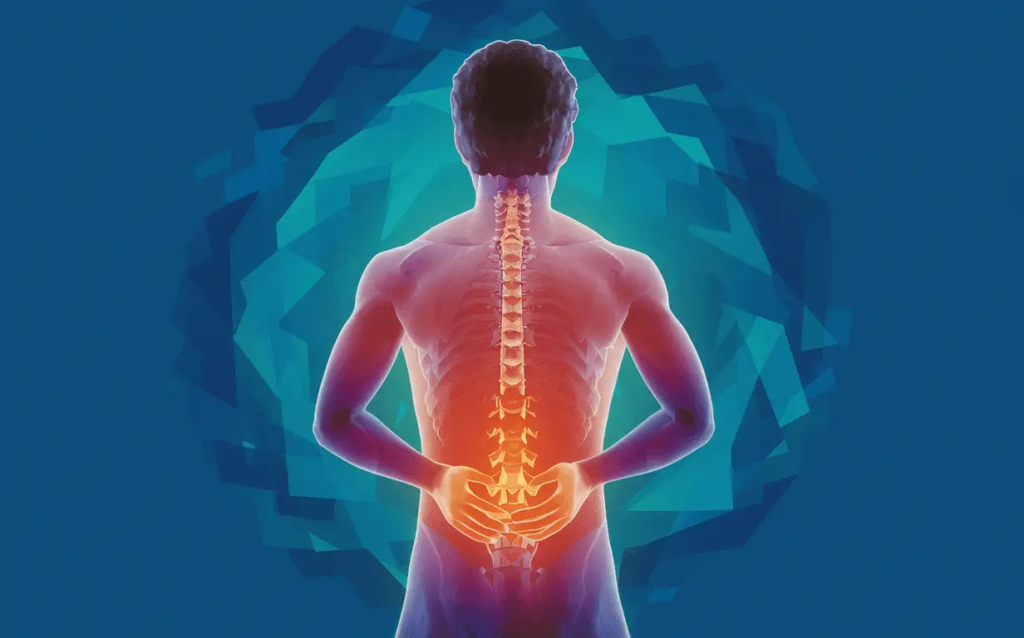
The spine is central to almost every movement the body makes. Maintaining spinal health is essential for flexibility, balance, and overall mobility, affecting both daily activities and long-term orthopedic wellness.
Supports Body Structure
The spine provides the main framework for the body, supporting the head, shoulders, and torso. Healthy alignment ensures that movements are smooth and coordinated.
Enables Movement
Vertebrae, discs, and surrounding muscles work together to allow bending, twisting, and rotation. Poor spinal health can limit these motions, reducing overall mobility.
Protects Nerves
The spinal cord runs through the spine, transmitting signals between the brain and body. Spinal injuries or misalignments can affect nerve function, leading to weakness, numbness, or pain that impacts movement.
Maintains Balance and Posture
A strong, well-aligned spine supports proper posture and balance. Misalignment or weakness can make standing, walking, or exercising more challenging and increase the risk of falls.
Tips to Maintain Spine Health
- Engage in core-strengthening exercises to support spinal muscles.
- Practice good posture while sitting, standing, and lifting.
- Stretch regularly to maintain flexibility in the back and surrounding muscles.
- Avoid prolonged sitting and take breaks to move and adjust posture.
- Seek medical evaluation for persistent back pain or mobility issues.
Conclusion
Spinal health is fundamental to overall movement, balance, and body function. Strengthening the spine, maintaining flexibility, and practicing proper posture can prevent injuries and support lifelong mobility.
Disclaimer:
This blog is for educational purposes only. It does not replace professional medical advice. Consult a healthcare professional for guidance on maintaining spinal health and mobility.