Regaining Mobility and Quality of Life
Knee pain caused by arthritis or injury can severely limit the daily life of elderly individuals. Total Knee Replacement (TKR) helps seniors regain movement and independence.
What Is Total Knee Replacement?
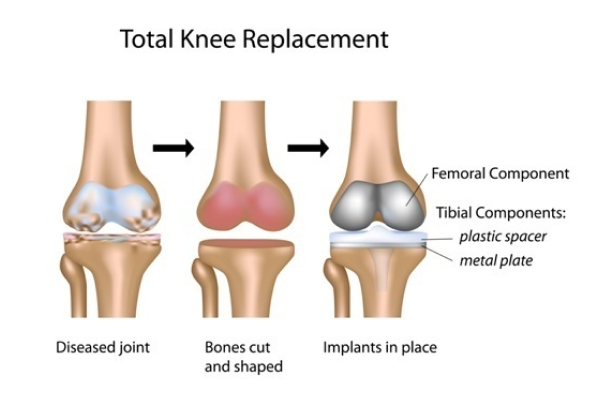
Total knee replacement is a surgical procedure where damaged parts of the knee joint are replaced with artificial components. It’s commonly recommended when:
- Pain is constant
- Mobility is severely limited
- Non-surgical treatments (like meds or therapy) fail
Fact: With proper care, knee implants can last 15-20 years.
Benefits include:
- Pain relief
- Better mobility
- Improved sleep and independence
- Enhanced emotional well-being
Tip: Pre-surgery physical therapy and controlling chronic conditions like diabetes or hypertension can improve outcomes.
What to Expect During Recovery
- Hospital Stay: 3-5 days (varies)
- Physical Therapy: Starts immediately post-op
- Full Recovery: Takes 3-6 months
- Support: Use of walker or cane during early weeks
Risks and Considerations
While generally safe, potential risks include:
- Blood clots
- Infections
- Joint stiffness
- Delayed healing (especially with other health issues)
Conclusion
Total Knee Replacement can significantly improve life for elderly patients suffering from chronic knee pain. With the right support system and rehabilitation plan, seniors can return to an active, independent lifestyle.
Disclaimer: This blog is for general awareness only. Always consult an orthopedic surgeon to assess if knee replacement is the right option for you or your loved one.