
Many people experience clicking or popping sounds in their joints, especially in the knees, shoulders, or fingers. While these sounds can be alarming, they are often harmless. Understanding the causes and knowing when to seek medical attention can help ease concerns and protect joint health.
Why Joints Click or Pop
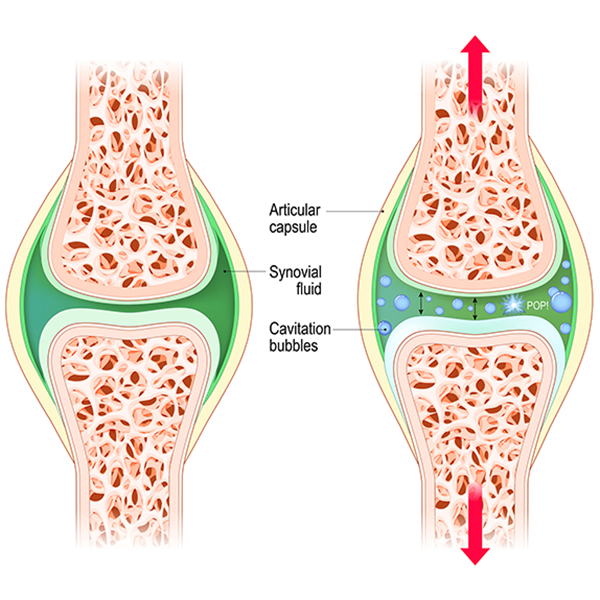
Clicking or popping sounds often occur when tendons or ligaments move over bones, or when gas bubbles in the joint fluid collapse. This is called cavitation and is usually normal. For example, bending the knee or cracking knuckles can produce audible pops without causing damage.
When It’s Not a Problem
If there is no pain, swelling, or loss of movement, joint sounds are generally harmless. Many people experience occasional popping during stretching, exercise, or daily activities. Maintaining flexibility and regular movement can keep joints healthy and reduce the frequency of these sounds.
When to Be Cautious
Joint sounds accompanied by pain, swelling, instability, or locking may indicate an underlying issue, such as a meniscus tear, ligament injury, or arthritis. In such cases, it’s important to consult a healthcare professional for proper evaluation and treatment.
Tips to Reduce Harmful Joint Sounds
- Strengthen surrounding muscles: Strong muscles support joints and reduce stress on tendons and ligaments.
- Warm-up before activity: Proper warm-ups prepare joints for movement and can prevent strain.
- Avoid overuse: Repetitive strain or high-impact activity can worsen joint problems over time.
- Maintain healthy weight: Extra weight can increase joint pressure and contribute to painful popping.
Conclusion
While clicking and popping sounds in joints are often normal, paying attention to accompanying symptoms is important. Strengthening muscles, staying active, and protecting joints can minimize discomfort and prevent injuries. Listening to your body and seeking professional advice when needed ensures long-term joint health.
Disclaimer:
This blog is for general educational purposes only. It does not replace professional medical advice. Consult a healthcare provider for personalized guidance if you experience joint pain or other concerning symptoms.