
Inflammation is the body’s natural response to injury or stress, but when it occurs in bones, joints, or muscles, it can lead to discomfort and affect mobility. Understanding inflammation helps in managing orthopedic conditions effectively.
What Happens During Inflammation
When tissues are injured or stressed, the body increases blood flow to the area, bringing immune cells to promote healing. This process can cause redness, swelling, warmth, and pain.
Common Causes in Orthopedics
- Joint injuries like sprains or tears
- Repetitive strain or overuse
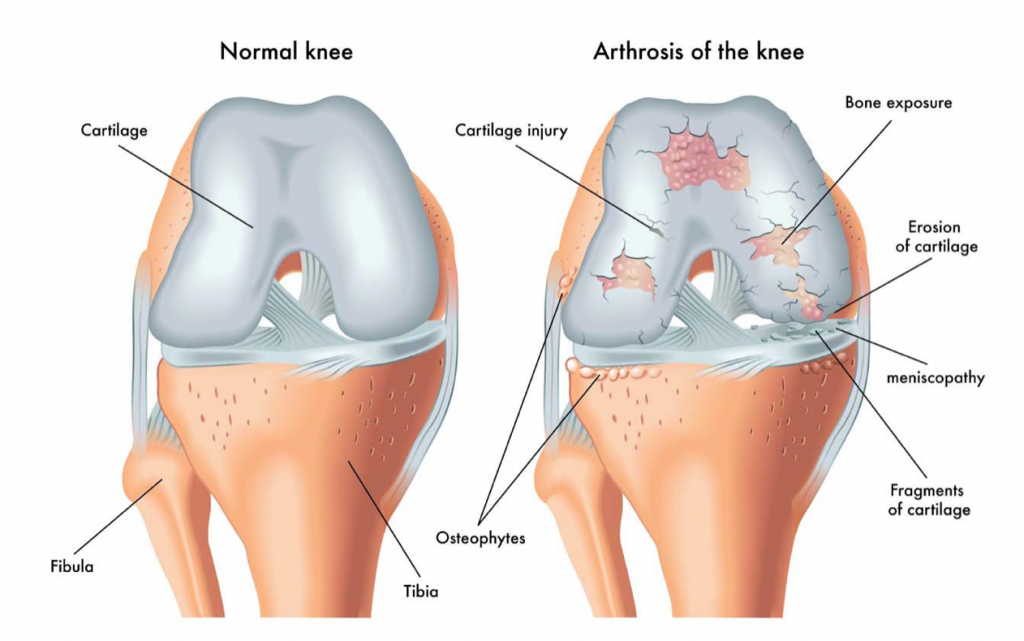
- Degenerative conditions such as arthritis
- Bone fractures or surgical interventions
Short-Term vs. Chronic Inflammation
- Short-term inflammation is part of natural healing and usually resolves with proper rest and care.
- Chronic inflammation persists over time, potentially causing tissue damage, joint stiffness, and prolonged pain.
Managing Inflammation
- Follow prescribed treatment plans
- Apply ice or heat therapy as recommended
- Use anti-inflammatory medications under guidance
- Engage in gentle exercises to maintain mobility
- Maintain a healthy diet and lifestyle
Conclusion
Inflammation is a key factor in many orthopedic conditions. Understanding its role and managing it appropriately can reduce pain, prevent complications, and support long-term musculoskeletal health.
Disclaimer:
This blog is intended for educational purposes only. It does not replace medical advice, diagnosis, or treatment. Always consult a qualified healthcare professional for personalized guidance.