
The spine is the central support structure of the body, protecting the spinal cord and enabling movement. Maintaining spinal health is crucial for mobility, posture, and overall well-being.
Structure of the Spine
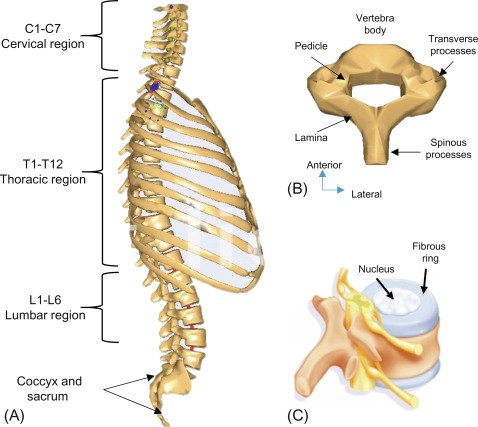
The spine consists of vertebrae (bones), intervertebral discs (cushioning pads), ligaments, and muscles. Each component works together to provide stability, flexibility, and protection for the nervous system.
Common Spinal Issues
- Herniated Discs: When disc material presses on nearby nerves, causing pain, numbness, or weakness.
- Degenerative Disc Disease: Age-related wear that reduces flexibility and causes discomfort.
- Scoliosis: A sideways curvature of the spine that can affect posture and movement.
- Spinal Stenosis: Narrowing of spaces in the spine, putting pressure on nerves.
Lifestyle Factors Affecting Spinal Health
Poor posture, prolonged sitting, weak core muscles, and lack of physical activity can all contribute to spinal problems. Carrying heavy loads improperly also places strain on the spine.
Tips to Maintain a Healthy Spine
- Practice good posture while sitting, standing, and walking.
- Strengthen core, back, and neck muscles through exercise.
- Use ergonomic furniture and supportive mattresses.
- Take breaks to stretch during prolonged sitting or standing.
- Maintain a healthy weight to reduce pressure on spinal joints.
Conclusion
Understanding spinal health and taking preventive measures can protect the spine from injury, reduce pain, and maintain mobility. Consistent care and awareness are key to a strong, flexible, and healthy spine.
Disclaimer:
This blog is intended for educational purposes only. It does not replace professional medical advice. Consult a healthcare professional for personalized guidance on spinal health.