
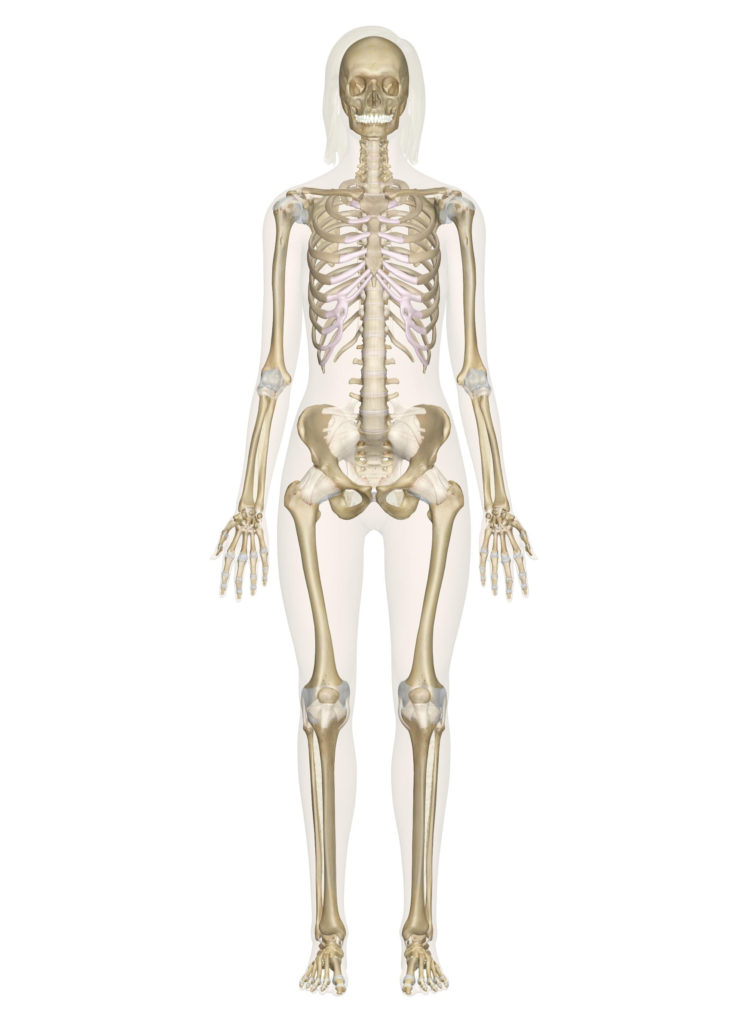
Bones and joints form the framework that supports movement and protects vital organs. Although they work together seamlessly, many people are unfamiliar with how these structures function and why they are essential for everyday activities.
Learning the basic structure of bones and joints helps in understanding common orthopedic problems and the importance of maintaining musculoskeletal health.
1. Bones: The Body’s Support System
Bones provide shape, strength, and protection to the body. They also store essential minerals needed for overall health.
Prevention: Support bone strength with proper nutrition, regular activity, and healthy lifestyle habits.
2. Joints: Connecting Bones for Movement
Joints are the meeting points of two or more bones, allowing movement and flexibility.
Prevention: Maintain joint health through gentle exercises, stretching, and avoiding excessive strain.
3. Cartilage and Its Role
Cartilage cushions the ends of bones and reduces friction during movement, helping joints move smoothly.
Prevention: Protect cartilage by maintaining a healthy weight and avoiding repetitive joint stress.
4. Ligaments and Tendons
Ligaments connect bones to bones, while tendons attach muscles to bones, providing stability and movement.
Prevention: Warm up before physical activity and strengthen muscles to reduce injury risk.
5. Synovial Fluid and Joint Lubrication
Synovial fluid lubricates joints, allowing smooth and pain-free motion.
Prevention: Regular movement helps maintain healthy joint lubrication.
Understanding how bones and joints work together highlights the importance of proper care and preventive measures. Simple lifestyle habits can go a long way in maintaining strong bones and flexible joints.
Disclaimer:
This blog is intended for general educational purposes only. It does not replace medical advice, diagnosis, or treatment. Always consult a qualified healthcare professional for personalized guidance.