
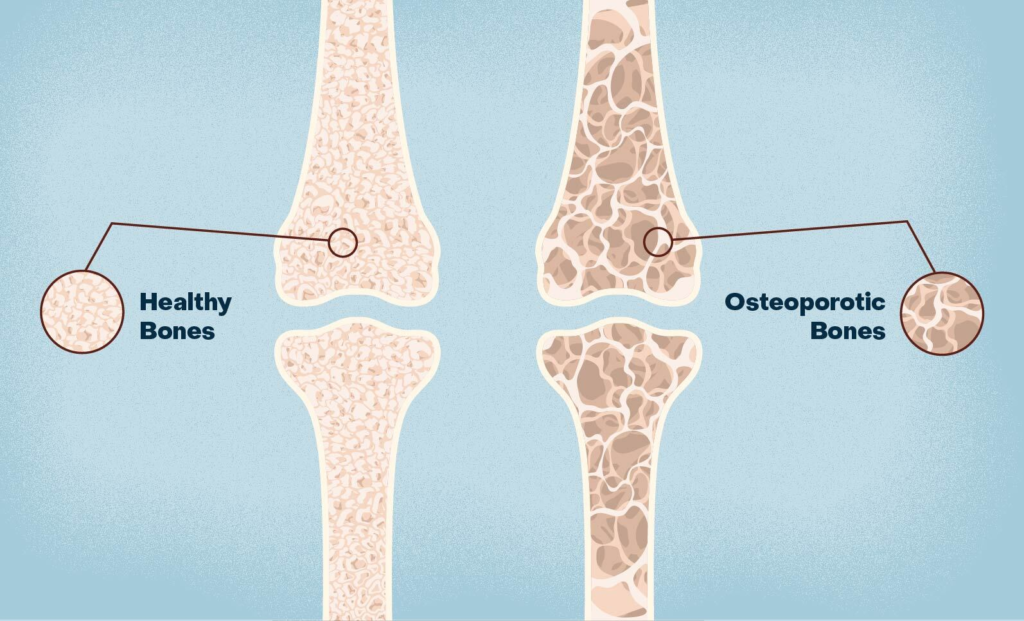
Many people associate weak bones with older age, but young adults can also experience reduced bone strength. Weak bones increase the risk of fractures and can affect overall mobility and quality of life. Understanding the underlying causes helps in preventing long-term bone health issues.
Nutritional Deficiencies
Inadequate intake of calcium, vitamin D, and protein can compromise bone development. Calcium is essential for building strong bones, while vitamin D helps the body absorb calcium effectively. Poor nutrition during adolescence and early adulthood can lead to lower peak bone mass.
Sedentary Lifestyle
Lack of weight-bearing activities such as walking, running, or strength training can prevent bones from becoming strong and resilient. Bones adapt to the stress placed on them, so inactivity can result in weaker bones over time.
Hormonal Imbalances
Hormones play a critical role in bone health. Low levels of estrogen in women or testosterone in men, thyroid disorders, and other endocrine issues can interfere with bone density.
Medical Conditions and Medications
Certain medical conditions like celiac disease, inflammatory bowel disease, or chronic kidney disease can affect nutrient absorption and bone health. Long-term use of medications such as corticosteroids may also weaken bones.
Lifestyle Factors
Smoking, excessive alcohol consumption, and high caffeine intake have been linked to decreased bone density. These habits can interfere with calcium absorption and bone remodeling processes.
Tips to Strengthen Bones
- Ensure a balanced diet rich in calcium, vitamin D, and protein.
- Engage in regular weight-bearing and resistance exercises.
- Avoid smoking and limit alcohol and caffeine intake.
- Discuss hormonal health with a doctor if imbalances are suspected.
- Consider bone density screenings if there are risk factors or family history.
Conclusion
Weak bones in young adults are not uncommon, but they can be managed and even prevented with proper nutrition, exercise, and lifestyle habits. Early awareness and proactive measures can ensure stronger bones and a reduced risk of fractures later in life.
Disclaimer:
This blog is for general informational purposes only. It does not replace professional medical advice. Always consult a healthcare professional for personalized guidance regarding bone health.