
Is It Time to Say Goodbye to That Persistent Joint Pain?
Joint pain can start as a minor nuisance but may gradually disrupt your daily activities, sleep, and even mood. While medications, therapy, and lifestyle changes offer relief for many, there comes a point where joint replacement surgery might be the best option for long-term relief and mobility.
1. Non-Surgical Treatments No Longer Help
If you’ve tried physical therapy, medications, injections, or braces and still struggle with pain and stiffness, it may be time to consider surgery.
2. Daily Activities Become a Struggle
Are walking, climbing stairs, or getting up from a chair becoming painful challenges? Joint replacement is designed to restore function and reduce limitations.
3. Pain Disrupts Your Sleep and Life
Chronic joint pain that wakes you at night or stops you from doing things you enjoy—like gardening, traveling, or playing with grandkids—is a red flag.
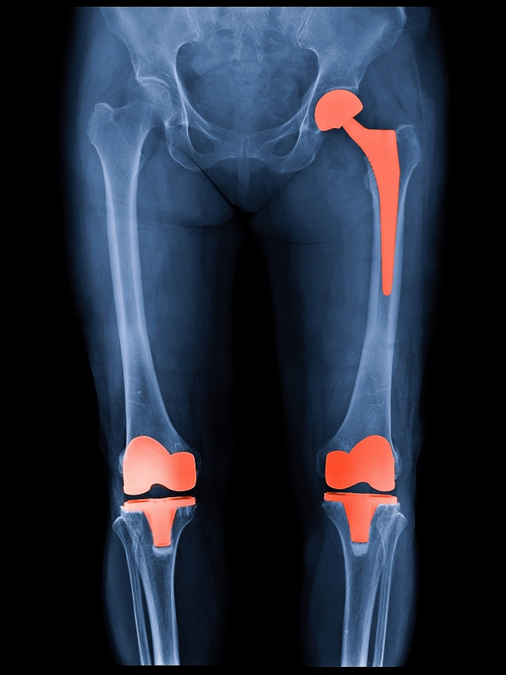
4. Visible Joint Damage on Scans
X-rays or MRIs showing severe joint damage, narrowing, or deformity indicate that your joint may be beyond repair with conservative methods.
5. Age Isn’t the Only Factor
While most surgeries are done in people over 60, younger individuals with advanced arthritis or injury may also benefit. Your activity level and overall health matter more than age.
What Joints Can Be Replaced?
- Knees
- Hips
- Shoulders
- Elbows and even smaller joints like fingers
Weighing the Decision
Joint replacement isn’t a small decision. Discuss with your orthopedic doctor if:
- Pain affects your quality of life
- You’re in good general health
- You’re ready for rehab and recovery
Life After Surgery
With proper care and rehab, most people regain mobility, enjoy pain-free movement, and return to activities they once avoided. It’s a fresh start for your joints!
Disclaimer: This blog is for general awareness only. Always consult an orthopedic specialist to understand the best treatment for your condition.