
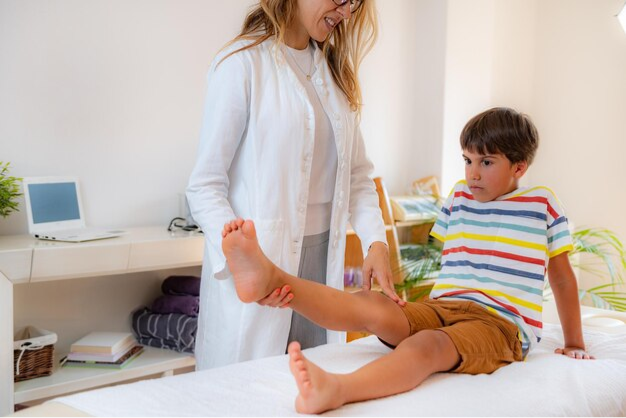
Orthopedic problems are not limited to adults or older individuals. Children can also experience issues affecting bones, joints, and muscles due to growth, activity levels, and daily habits. Early recognition is important to support healthy development.
Growth-Related Changes
As children grow, bones lengthen faster than muscles and tendons can adapt. This imbalance can lead to temporary pain, stiffness, or altered movement patterns.
High Activity Levels
Children are often physically active, participating in sports and play. Falls, repetitive movements, or improper technique can increase the risk of strains, sprains, and minor injuries.
Posture and Screen Time
Increased use of screens and prolonged sitting can affect posture from a young age. Poor posture may contribute to neck, back, and shoulder discomfort.
Foot and Walking Issues
Flat feet, toe walking, or uneven walking patterns can place stress on joints and affect balance. These issues may impact mobility if not addressed early.
Ignoring Symptoms
Children may not always express discomfort clearly. Limping, avoiding activities, or frequent complaints of pain can be signs of an underlying orthopedic issue.
Supporting Healthy Development
- Encourage regular physical activity
- Promote good posture habits
- Ensure proper footwear
- Allow adequate rest and recovery
- Seek early evaluation when concerns arise
Conclusion
Orthopedic issues in children are common and often manageable. Early awareness and proper care can help ensure healthy growth, movement, and long-term musculoskeletal health.
Disclaimer:
This blog is intended for general educational purposes only. It does not replace medical advice, diagnosis, or treatment. Always consult a qualified healthcare professional for personalized guidance.